Dreaming about a second home where boating access, resort amenities, and island calm all come together? Buying on Duck Key can feel exciting, but it also comes with details that matter more than many buyers expect. If you are considering a getaway property here, understanding the island’s ownership structure, rental rules, flood exposure, and access points can help you buy with confidence. Let’s dive in.
Why Duck Key Stands Out
Duck Key is a small island at mile marker 61 in the Middle Keys, just north of Marathon. The island is known for its residential homes, canals, arched bridges, and the presence of Hawks Cay Resort, which shapes much of the island’s identity.
That matters because Duck Key often feels more like a resort island than a typical residential neighborhood. Its modern development grew around resort use, so buyers often find a mix of private homes, villas, and resort-linked ownership opportunities rather than one uniform housing pattern.
What Second-Home Buyers Will Find
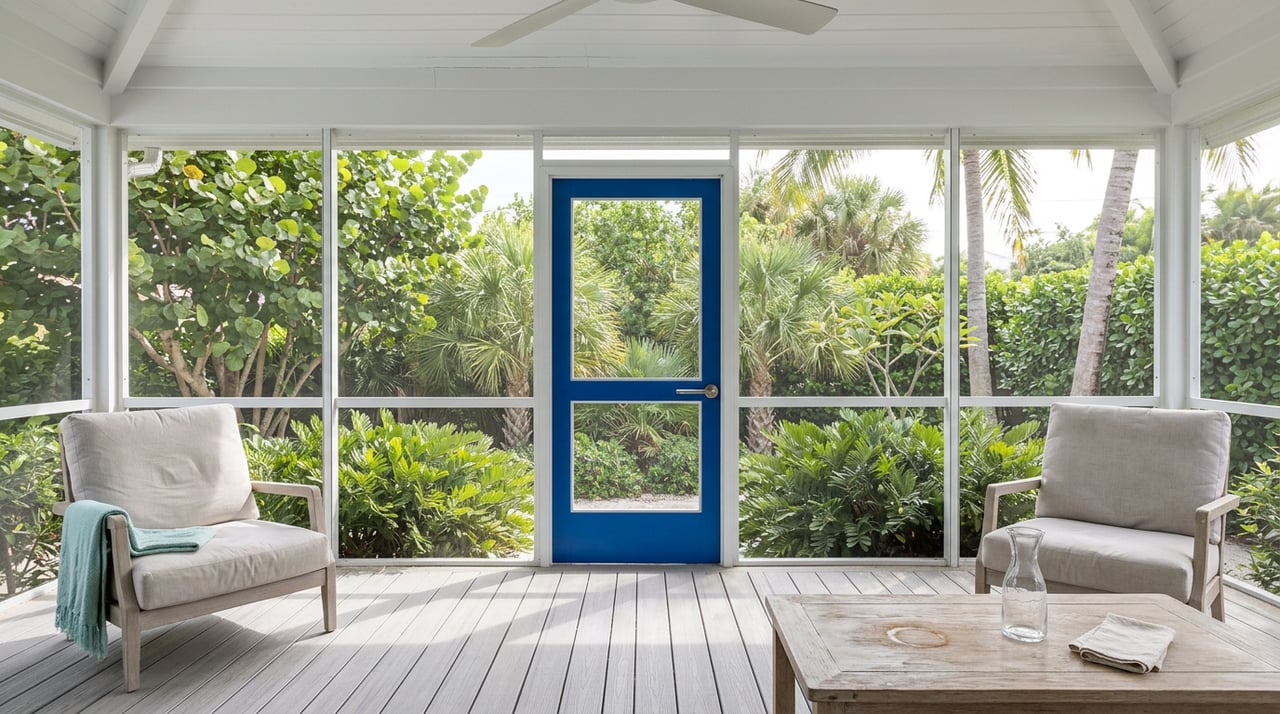
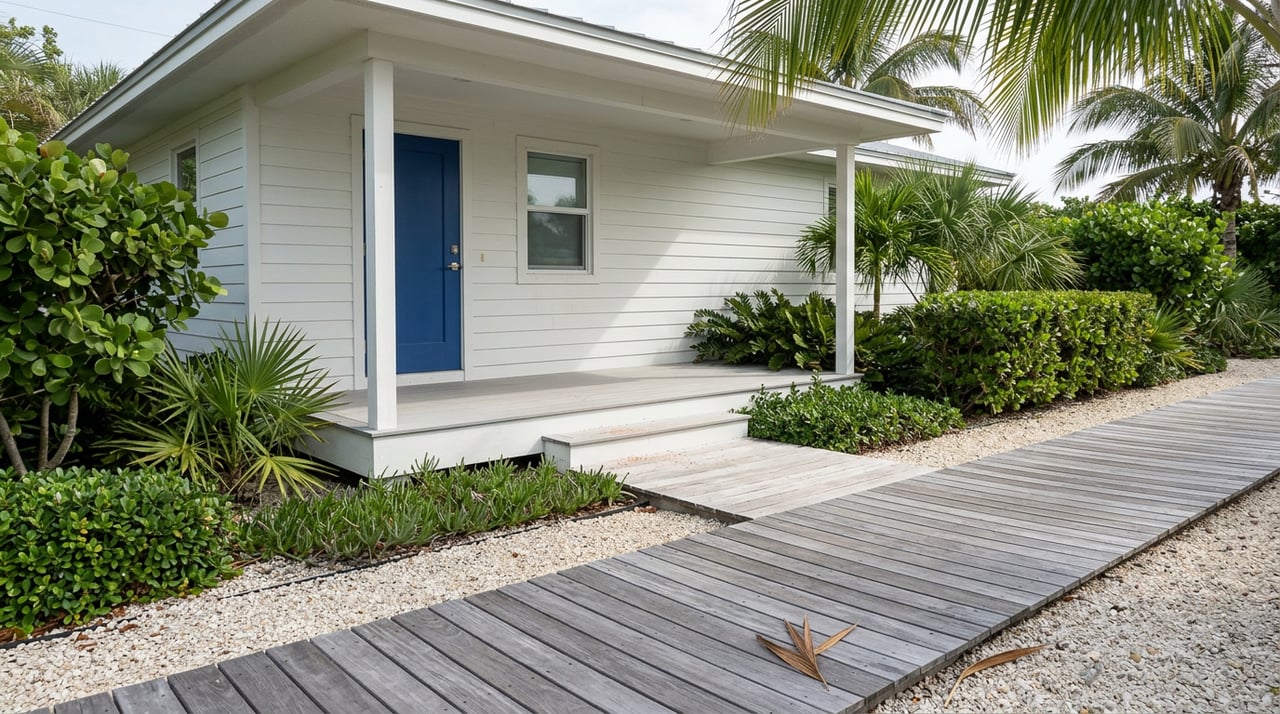
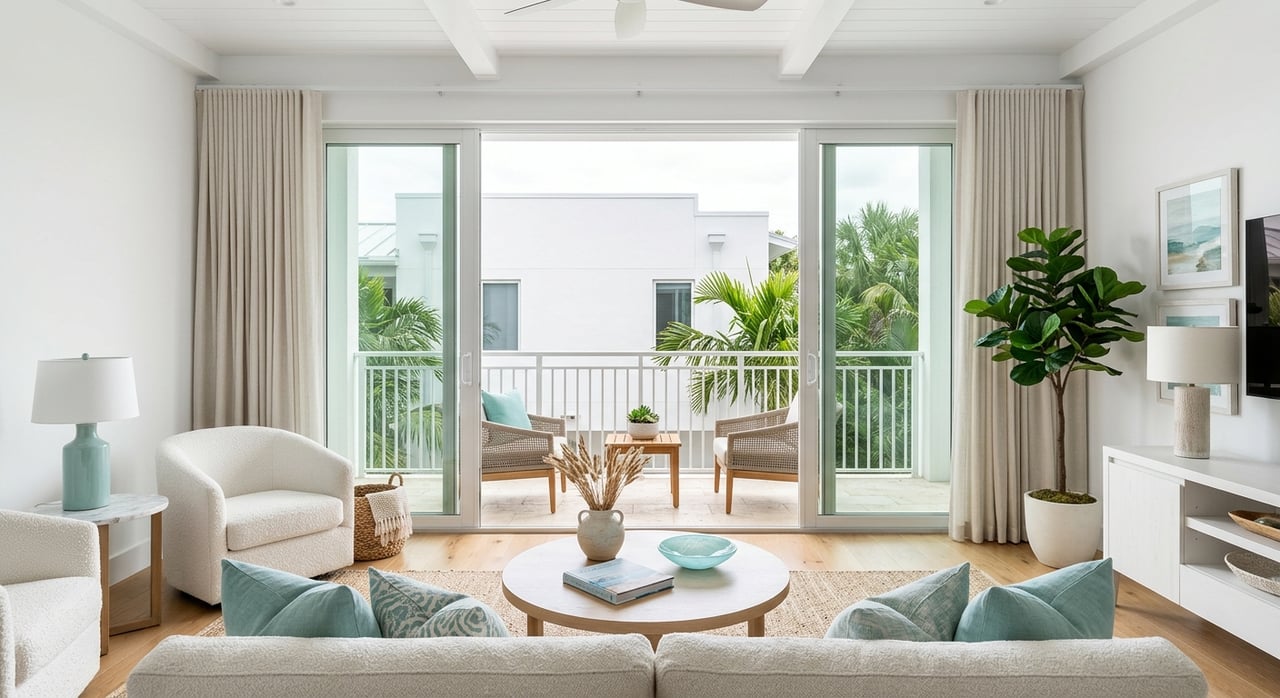
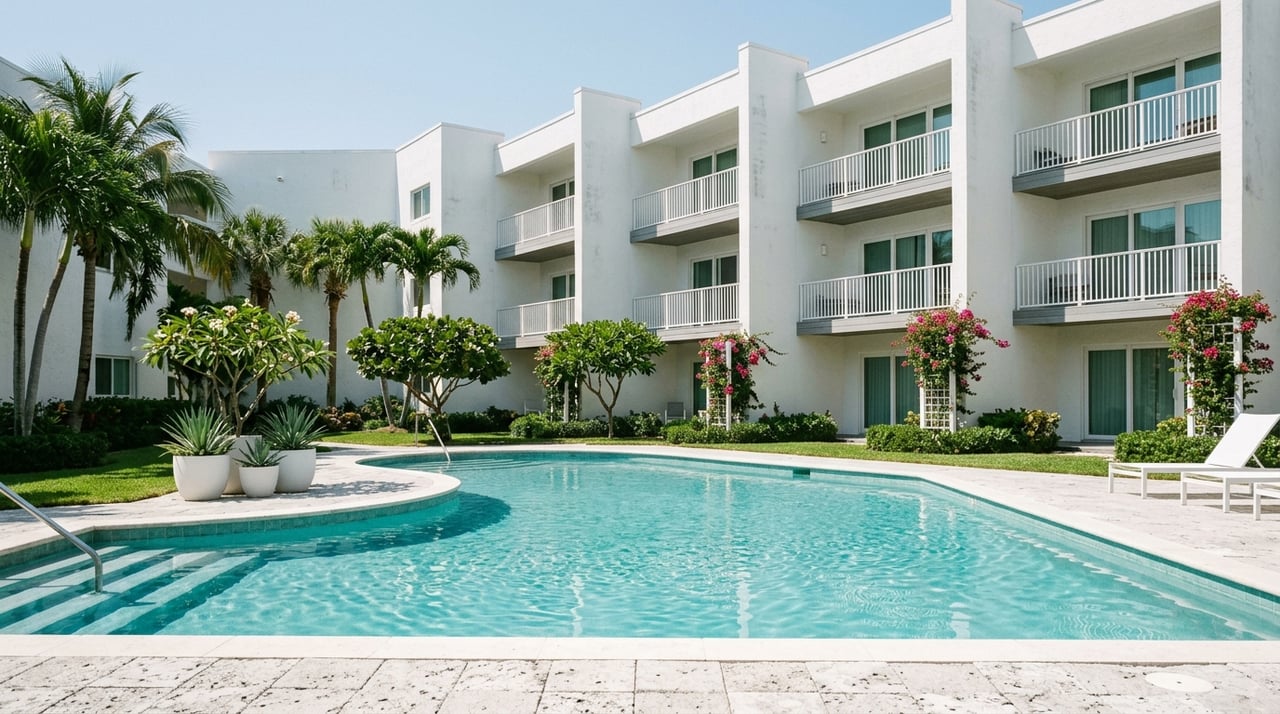
If you are shopping for a second home on Duck Key, you will likely see several property types. Hawks Cay ownership options include private villas, guest rooms and suites, penthouse suites, and villa layouts that range from two-story Key West-style homes to one-story condo-style residences.
Villa locations can include Sunset Village, Marina Village Drive, Hawks Cay Boulevard, and the Sanctuary Villas. Some villa locations also offer dockage, which can be a major plus if boating is part of your second-home plan.
Outside the resort setting, buyers may also encounter privately owned homes and separate HOA-governed properties. On Duck Key, the property type you choose can shape everything from amenities to rental options to maintenance expectations.
Understand Duck Key’s Ownership Layers
One of the most important things to know before buying a second home on Duck Key is that the island has more than one governance layer. Not every property is governed the same way, even if homes are close to each other.
For example, the Village at Hawk’s Cay HOA describes its waterfront community as having 247 villas and 33 private docks. The Duck Key Property Owners Association is a separate voluntary association focused on island improvements such as landscaping, canal maintenance, canal water-quality sampling, beautification, and bridge liaison work.
Monroe County also maintains the Duck Key Security District Advisory Board, a special taxing district that provides security services for the island’s residential areas. For you as a buyer, the takeaway is simple: review the exact property’s HOA, association, and district structure before you assume what is included.
Boating Is a Major Part of the Lifestyle
For many second-home buyers, boating is the main reason Duck Key makes the shortlist. Hawks Cay Marina offers 66 slips, boat-in and boat-out access for vessels up to 92 feet, a fuel dock, live bait, and fish-cleaning stations.
The island also offers direct access to both the Atlantic Ocean and Florida Bay. If you want a property that supports fishing trips, day boating, or easy time on the water, Duck Key has a strong boating-centered appeal.
That said, dock access is not the same everywhere. A property may have deeded dockage, assigned dockage, limited access, or no dock at all, so this is something you should verify early in your search.
Resort Amenities Can Add Real Appeal
Duck Key offers an amenity mix that stands out for a small island community. Hawks Cay describes amenities that include a saltwater lagoon and beach area, multiple pools, a spa, fitness center, restaurants, tennis, pickleball, charters, kayaking, paddleboarding, snorkeling, and sunset cruises.
For second-home buyers, that can make the island feel more self-contained than other Middle Keys options. Instead of using your property only as a place to sleep, you may be buying into a lifestyle base with recreation, dining, and marina access nearby.
Still, amenity rights can vary by property and ownership type. Before you buy, confirm which amenities come with the property and whether access is direct, limited, or separate from ownership.
Rental Plans Need Careful Review
If you hope to offset costs with rental income, Duck Key is a market where details matter. Monroe County defines a vacation rental as any tenancy under 28 days, and not all areas in unincorporated Monroe County allow vacation rentals.
Where vacation rentals are allowed, properties generally require an annual Special Vacation Rental Permit, a vacation-rental manager license, and a county business tax license. Monroe County also states that permits are not transferable when ownership changes.
There may be an exemption in a controlled-access gated community with an association that expressly regulates or manages rental use. That is why you should never assume a property is short-term-rental friendly just because it is on Duck Key or because a nearby property rents regularly.
Questions to Ask About Rentals
Before you move forward on a second home, ask:
- Is this exact parcel eligible for short-term rentals?
- Is the property part of a resort rental-management program?
- What are the HOA or association rental rules?
- Will permits need to be obtained again after closing?
- Are there occupancy, parking, or management requirements?
These answers can affect your budget, your expected use, and your long-term ownership strategy.
Flood and Insurance Costs Are Core Numbers
In Monroe County, flood and wind exposure should be treated as part of the purchase decision from day one. The county states that all of Monroe County is in a coastal floodplain, and standard homeowner’s insurance does not cover flood damage.
The county also advises buyers to review flood hazard and permitting history before purchasing. It further notes that wind-insurance affordability is a major issue in Monroe County.
For you, that means the true cost of a second home on Duck Key goes beyond the purchase price. Insurance, storm readiness, property condition, and elevation-related risk should all be part of your due diligence.
Smart Due Diligence Items
As you evaluate a property, make time to review:
- Flood zone and flood history
- Wind and flood insurance costs
- Permitting history
- Inspection findings
- Roof, windows, and storm-protection features
- HOA or resort fee structure
A second home should feel relaxing, and thorough review on the front end helps keep ownership more predictable.
Bridge Access Matters More Than You Think
Duck Key is easy to reach by road, but access updates deserve attention. Monroe County has stated there are no weight restrictions on Duck Key bridges as of November 18, 2021, while also reporting active or recent work involving the Toms Harbor Bridge connection to U.S. 1 and updates involving Harbour Drive and Seaview Drive bridges.
This may seem like a small point, but it can affect inspections, closing logistics, contractor scheduling, and guest arrival plans. If you are buying remotely, checking current county bridge notices before key dates is a smart move.
Duck Key vs. Marathon
Many second-home buyers compare Duck Key with Marathon because the two are close together but offer different experiences. Marathon is an incorporated city spanning roughly mile marker 47 to mile marker 60, with its own airport, marina, parks, public works, and other municipal services.
Duck Key, by contrast, is smaller and more resort-centered. If you want a compact island setting with a waterfront and amenity-driven feel, Duck Key may be a better fit. If you want broader city services nearby as part of your day-to-day routine, Marathon is often the practical comparison point.
Who Duck Key Fits Best
Duck Key often makes the most sense for buyers who want a second home that blends personal use with a strong island lifestyle. It can be especially appealing if you value boating access, resort convenience, and a more compact setting than a typical city-based market.
It is also a market that rewards careful planning. Buyers who understand the island’s mix of private homes, villas, HOA structures, rental rules, flood exposure, and bridge access are usually better prepared to choose the right property and avoid surprises.
If you are considering a second home on Duck Key, a tailored, property-level review can make all the difference. Tracy Chacksfield offers a high-touch, concierge approach for Middle Keys buyers who want clear guidance, local insight, and hands-on support from search to closing.
FAQs
What makes buying a second home on Duck Key different from buying elsewhere in the Middle Keys?
- Duck Key is a compact, resort-centered island with a mix of private homes, villas, HOA structures, marina access, rental considerations, and bridge-access factors that may not apply in the same way in other nearby areas.
Can you use a Duck Key second home as a short-term vacation rental?
- Possibly, but you need to verify the exact parcel, local rental eligibility, HOA or resort rules, and any Monroe County permit and licensing requirements before you rely on rental income.
Do all Duck Key properties come with boating access or dockage?
- No. Some properties may offer dockage, while others may have assigned, deeded, limited, or no dock access, so you should confirm the specific property details before buying.
Are resort amenities included with every Duck Key property purchase?
- No. Amenity access can vary based on the property’s ownership structure and location, so you should confirm what is included with the exact home or villa you are considering.
What insurance issues should buyers consider for a second home on Duck Key?
- Buyers should treat flood and wind insurance as major budget items because Monroe County is in a coastal floodplain, flood damage is not covered by standard homeowner’s insurance, and wind-insurance affordability is a known concern.
Why should Duck Key buyers pay attention to bridge updates?
- Bridge work can affect access for inspections, closings, contractors, moving plans, and guest arrivals, so it is smart to check Monroe County updates during the buying process.