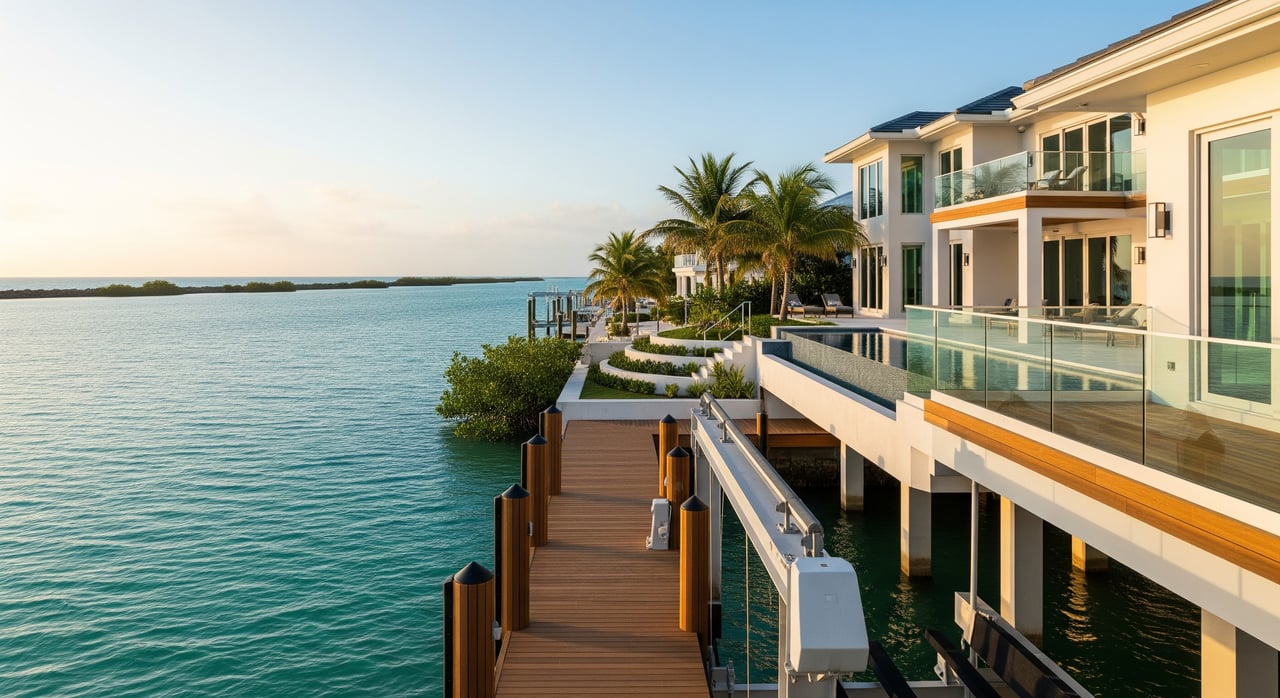
Trying to decide between an oceanfront address with big-water views or a canal-front home with your boat at the back door? In the Middle Keys, especially around Marathon and Keys RV, that choice shapes your daily life, your maintenance routine, and your insurance budget. You want the right mix of access, protection, and long-term value. This guide walks you through the practical differences, from boating and flood zones to permits, upkeep, and resale potential, so you can move forward with clarity. Let’s dive in.
What oceanfront and canal mean here
In the Middle Keys, waterfront comes in several flavors. Oceanfront means direct frontage on open Atlantic or gulf waters where you get sweeping vistas and more wave energy. Canal-front sits on man-made residential canals that connect to navigable channels and the bay or ocean, usually with calmer, more protected water.
You will also find channel-front or deep-water parcels along natural or dredged channels, and bayfront properties facing Florida Bay or harbors. Each type offers different boating access, exposure to wind and surge, and maintenance considerations.
Boating access and navigation
Oceanfront access
Oceanfront lots excel at views, breezes, and direct shoreline enjoyment. They are not typically suited for keeping a boat at a backyard dock because waves and current can make docking unsafe. Most oceanfront owners launch from marinas or ramps nearby and enjoy swimming or beach access at home.
Canal-front access
Canal-front homes are built for boating convenience. You usually have a private dock with direct access to channels and open water. Before you buy, confirm controlling depths, tidal ranges, and any fixed bridges that could limit your boat height. Sheltered canals can make daily outings quicker and easier, especially for fishing.
Water, weather, and exposure
Oceanfront exposure
Open-ocean or gulf-facing properties see more wind, waves, salt spray, and surf. That exposure creates dramatic scenery and a strong sense of place. It also means structures, finishes, and shoreline protection face more wear over time.
Canal conditions
Canals are generally calmer with reduced wave action, though they still respond to tides, currents, and storm surge. Over time, some canals can shoal and may require maintenance dredging. The protected setting can reduce day-to-day stress on docks and boats.
Flood and storm considerations
Oceanfront risk profile
Oceanfront locations typically face higher exposure to storm surge and wave action during tropical events. Some areas may be in FEMA V or VE flood zones, which come with stricter elevation and construction requirements. Insurance and build costs can reflect that higher hazard profile.
Canal-front risk profile
Canal homes are also subject to surge, and canals can funnel water during storms. The specific FEMA flood zone and Base Flood Elevation depend on the property’s location and elevation. You gain some protection from direct wave impact compared to open shoreline, but back-bay surge remains a factor.
Insurance and ongoing costs
What most buyers carry
In Monroe County, both oceanfront and canal-front homes typically need homeowners coverage with wind or hurricane endorsements, plus flood insurance if you finance. Lenders and insurers will look closely at elevation, flood zone, construction type, and any mitigation features.
Cost patterns to expect
Oceanfront homes often have higher premiums because of increased exposure to surge, wind, and wave-driven damage. Elevated construction and robust materials can help but may increase build or renovation costs. Canal-front premiums vary by flood zone, elevation, and the home’s history, as well as the presence and condition of seawalls and docks.
Permits, shoreline work, and environmental rules
Agencies you will encounter
Work in or near the water in the Keys involves layers of oversight. Expect Monroe County permitting and code enforcement to coordinate with state and federal agencies. Depending on the project, the Florida Department of Environmental Protection, U.S. Army Corps of Engineers, FEMA for floodplain compliance, NOAA or National Marine Fisheries Service, Florida Fish and Wildlife Conservation Commission, and U.S. Fish & Wildlife Service may be involved.
Oceanfront vs canal improvements
Oceanfront seawall replacement and shoreline armoring are closely regulated, and beach erosion can limit options. On canals, docks, pilings, riprap, dredging, and seawall work usually require permits from multiple agencies. Mangrove protections apply across much of the Keys, so any trimming or removal is typically permitted and reviewed. Seagrass and coral habitat constraints can affect dock design and piling placement.
Maintenance and lifecycle costs
Oceanfront upkeep
Expect more frequent maintenance of exterior metals, finishes, and mechanicals due to wind and salt. Seawalls and foundations can experience greater stress from wave energy and surge. Proactive inspections and corrosion protection help extend service life but add to operating costs.
Canal-front upkeep
Dock and piling care is the routine focus, along with seawall inspection and repair. In areas that shoal, there can be a risk of future dredging needs or related fees. The relative calm reduces day-to-day wear compared with open water, but surge and tidal dynamics still matter.
Lifestyle, resale, and rental dynamics
Oceanfront appeal
Oceanfront offers premium views and shoreline presence that many buyers prize. That visual appeal can support premium pricing and strong demand. Vacation rental potential depends on local ordinances, so verify rules before assuming any income strategy.
Canal-front appeal
Canal-front homes often top the list for boating and fishing lifestyles because the dock is steps from your door. Functional features like adequate water depth, unobstructed route to open water, and well-built dockage can enhance resale value. Many long-term residents appreciate the convenience and protection of sheltered canals.
Buyer checklist: documents and verifications
Use this prioritized list to organize due diligence. It will save you time and protect your investment.
Key documents to request
- Recorded property survey for setbacks and shoreline lines.
- Dock and seawall permits, construction records, and maintenance history.
- Elevation Certificate and FEMA flood zone designation, plus any recent flood claims history.
- Title or deed documents noting easements and riparian rights.
- Utilities status, including whether the property is on sewer or septic and the condition of electrical service.
- Any HOA rules or community covenants.
Inspections and professional checks
- Structural inspection of pilings, seawalls, docks, and foundation to identify corrosion, rot, scour, or undermining.
- Marine survey or depth sounding at the dock to confirm controlling depths and shoaling conditions.
- Soil or erosion assessment for oceanfront lots to evaluate shoreline change and setbacks.
- Environmental review for mangrove or seagrass impacts and to check for outstanding violations.
Questions to ask sellers and authorities
- What is the property’s FEMA flood zone and Base Flood Elevation, and is there a current Elevation Certificate?
- Has the seawall or dock needed major repairs, and are there current permits or any violations?
- What draft can you typically achieve at mean high tide, and are there fixed bridges on the route to open water?
- Are there local limits on dock size, piling type, boat mooring, or short-term rentals?
- Is the property within a designated erosion-control or shoreline management area?
- What are the recent wind and flood insurance premiums, and are there open or prior claims?
Common red flags
- No permit history for existing seawall or dock installations.
- Evidence of chronic shoaling or past unpermitted dredging.
- Active violations related to mangroves, unpermitted shoreline work, or habitat impacts.
- Very low elevation compared to neighbors or documented shoreline erosion.
How to choose in Keys RV and the Middle Keys
Focus on how you want to use the water. If daily boating is a must, a canal-front home with proper depth and clear access is usually the practical choice. If your priority is horizon views and shoreline presence, oceanfront may be worth the higher exposure and potential insurance load.
Weigh your total cost of ownership, not just price per square foot. Elevation, flood zone, construction type, and shoreline condition can shift your long-term budget. Finally, think about permitting complexity for future improvements. Knowing how agencies evaluate docks, seawalls, and habitat will help you plan upgrades with fewer surprises.
Next steps with a trusted local guide
A clear plan makes the choice simple. Start with your boating profile, confirm flood and elevation details, and review shoreline conditions with qualified inspectors. If you want a boutique, high-touch experience backed by strong analysis and a trusted vendor network, connect with Tracy Chacksfield to explore oceanfront and canal options that fit your goals.
FAQs
What is the core difference between oceanfront and canal-front homes in the Middle Keys?
- Oceanfront prioritizes open-water views and shoreline presence, while canal-front prioritizes private dockage and sheltered boating access.
Are canal-front homes better for boaters around Marathon and Keys RV?
- Often yes, because canals typically offer private docks and a protected route to channels, but you must verify depths, tides, and any fixed bridges.
How do FEMA flood zones affect ownership costs in the Keys?
- Flood zones and Base Flood Elevation influence required construction standards and flood insurance premiums, which can materially impact annual costs.
What permits are needed to build or replace a dock or seawall in Monroe County?
- Expect Monroe County review plus possible approvals from state and federal agencies for in-water work, including docks, pilings, dredging, and shoreline armoring.
What should I look for in a seawall or dock inspection before buying?
- Check for corrosion, cracks, settlement, scour or undermining, wood rot in pilings, and documented maintenance or repairs with proper permits.
Can I count on vacation rental income at an oceanfront or canal property?
- It depends on local ordinances and community rules, so verify rental permissions, registration requirements, and minimum-stay rules before underwriting income.
How can I confirm whether my boat will fit at a canal-front dock?
- Arrange a marine survey or depth sounding to confirm controlling depth at mean tide, and map your route to open water for bridge clearances and channel width.