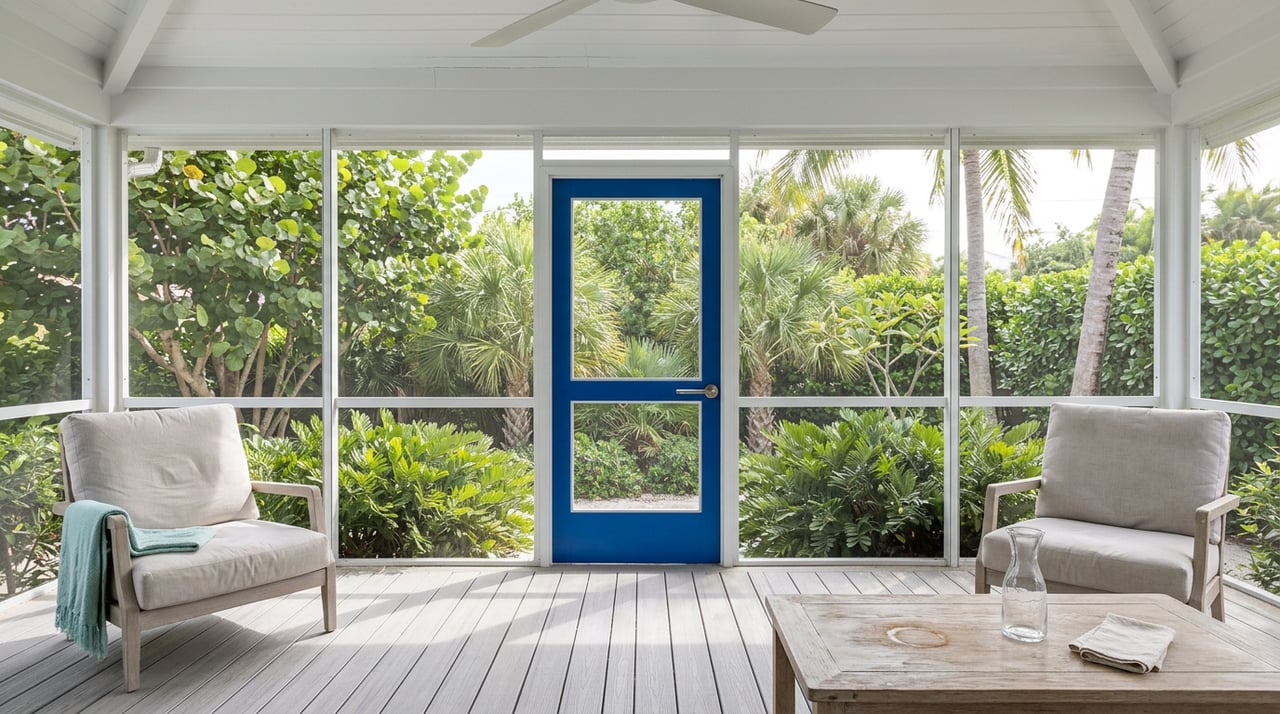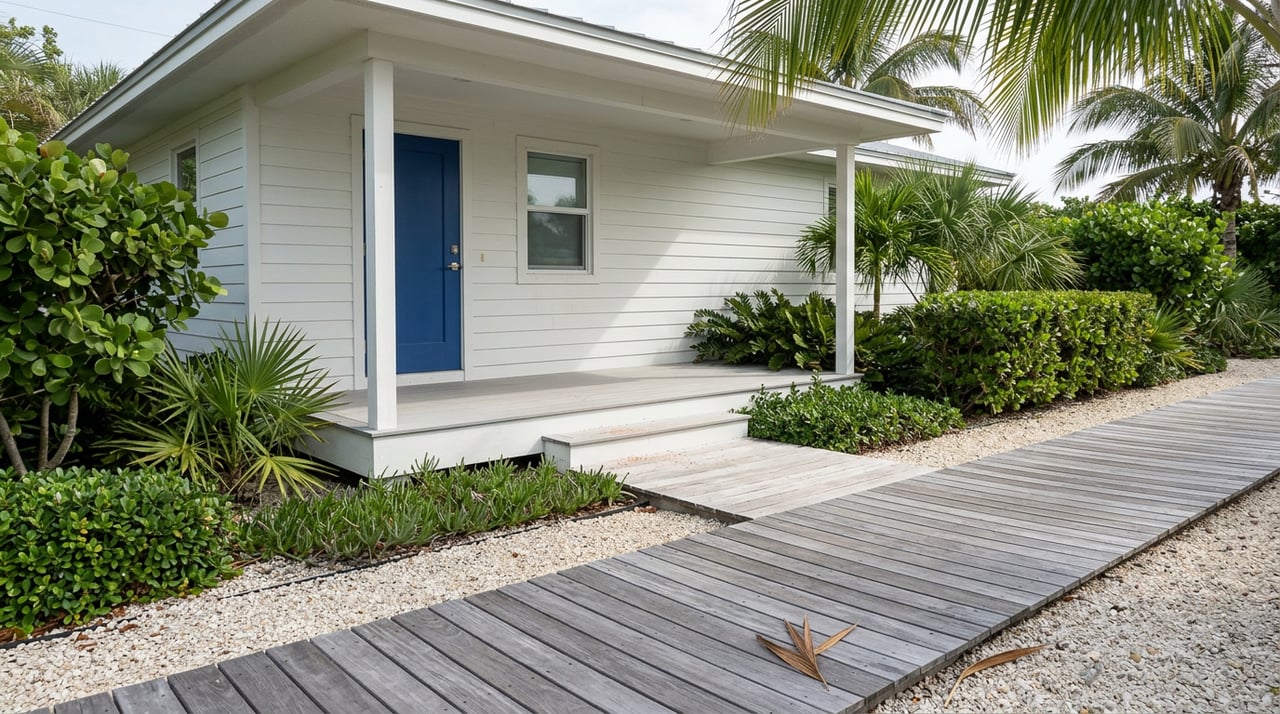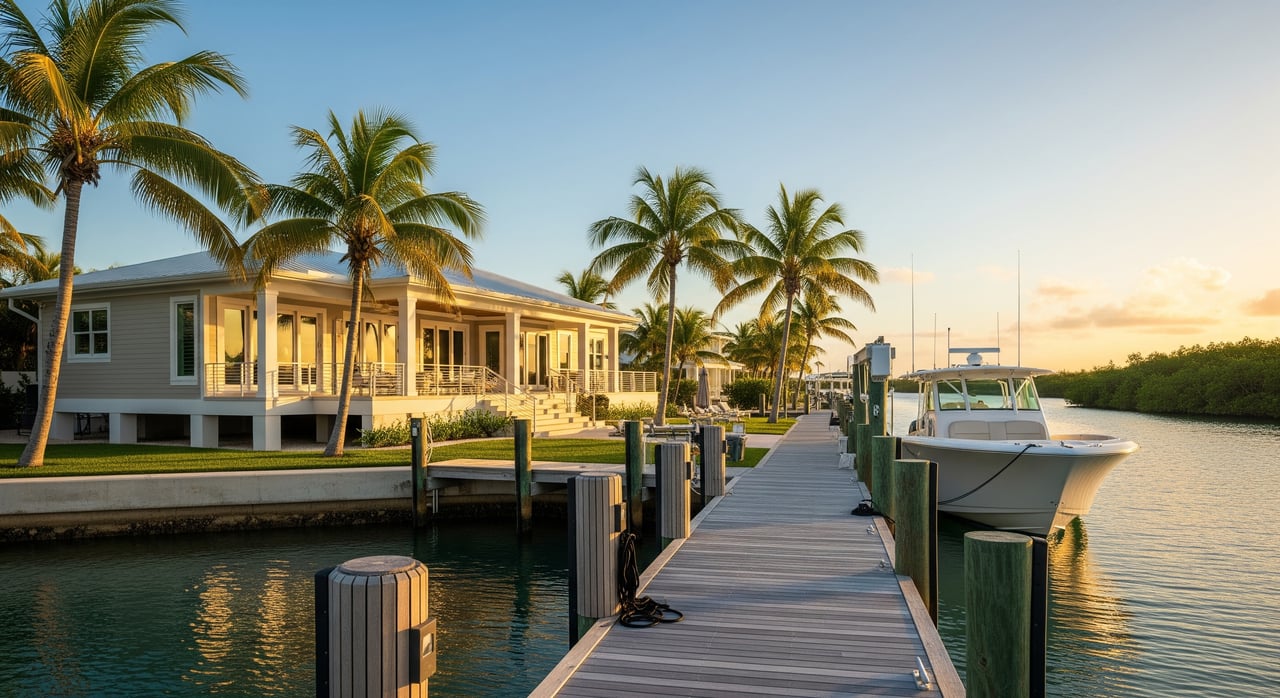
Are you picturing sunrise coffee on the dock and sunset cruises but unsure how to finance a second home in the Middle Keys? You are not alone. Buying in Marathon and 33050 follows different rules because of flood risk, wind exposure, and condo project approvals that can shape your loan options and total monthly cost. This guide walks you through financing that works here, the insurance and underwriting hurdles to expect, and a clear step-by-step plan to move from dream to closing with confidence. Let’s dive in.
Why financing is different in 33050
Marathon sits in a low-elevation, coastal environment. Many properties fall within FEMA Special Flood Hazard Areas and high-wind zones. Lenders often require flood insurance and separate wind/hurricane coverage, which can change your debt-to-income ratio and your approval path.
Appraisals can be conservative. After storms, comparable sales can be limited, and appraisers may adjust values for elevation, impact windows, roof age, and other mitigation features. If you are looking at condos, approval status matters. Many projects need Fannie Mae or Freddie Mac approvals for conventional financing, and smaller coastal associations can fall outside standard lists.
Local rules also matter. The City of Marathon and Monroe County have building, permitting, and rental regulations that can affect your plans if you hope to offset costs with short-term rentals. Verify these early to avoid surprises.
Second-home loan options that work
Conventional second-home loans
Conventional financing is the most common path for true second homes you plan to occupy part of the year. Many lenders look for strong credit (often 680 to 720 or higher), stable income, and a conservative debt-to-income ratio around 43 percent or lower. A down payment of 10 percent is possible with some lenders, though others may require 15 to 20 percent depending on your profile and the property.
If you put less than 20 percent down, private mortgage insurance may apply. In Marathon, lenders will also review flood exposure, insurance availability and cost, and any condo project approval status. Getting insurance quotes and condo documents early can keep your file moving.
Jumbo loans
For higher-price properties that exceed conforming loan limits, jumbo financing is common in the Keys. Expect higher credit standards, larger down payments, more documentation, and cash reserve requirements measured in months of payments. Rates can be a bit higher than conforming loans and may include lender overlays for coastal risk or rental potential. Jumbo portfolio lenders can be a good fit for unique homes.
Portfolio and non-QM loans
Local banks, credit unions, and specialty lenders sometimes offer portfolio or non-qualified mortgage products that live outside strict agency rules. These can help if you have complex income, plan to use assets for qualifying, or are buying a non-standard property or condo project. Terms vary, so compare structure, fees, and prepayment rules carefully. The benefit is flexibility that reflects local market realities.
Using equity from your primary home
Tapping a home equity line of credit or a second mortgage on your primary residence can provide cash for your Keys purchase or a larger down payment. This approach can reduce or avoid mortgage insurance and make your offer more competitive. Keep in mind that HELOC rates are often adjustable, and you are leveraging your primary home, so consider risk and combined loan-to-value levels.
Bridge loans and short-term options
A bridge loan can help you buy before you sell. In competitive vacation markets, this timing tool lets you write a stronger offer with fewer contingencies. Bridge loans typically carry higher rates and fees, so they work best when you have a clear path to repay or sell the departing residence within the term.
Cash purchases
Cash is king in certain Keys scenarios. Cash offers can bypass appraisal delays, insurance underwriting issues, and condo project ineligibility that stall financed deals. If you are weighing a unique condo project or a home with insurability questions, cash can provide clarity and speed.
FHA, VA, and USDA
FHA and VA loans are designed for primary residences. They generally are not allowed for second homes or pure vacation uses. USDA programs are not a fit for most Keys properties. If you plan to live in the home as your primary residence, occupancy rules apply, and you should discuss them with your lender. Otherwise, focus on conventional, jumbo, or portfolio products.
Investment property financing
If you plan to rent the home short-term and use it primarily as a rental, lenders classify the property as an investment. Investment loans usually require larger down payments, higher reserves, and higher rates. Some second-home loans restrict short-term rentals beyond a defined limit. Be clear with your lender about your intended use so you select the right product.
Insurance and underwriting essentials
Flood and wind coverage
If a property is in a designated flood zone or your lender determines flood risk, flood insurance will be required. In Florida, homeowners often carry separate wind/hurricane policies. Insurers may have high deductibles or exclude certain areas. Some properties end up with coverage from state-backed options if private markets are unavailable. Obtain quotes early for both flood and wind and be ready to provide an elevation certificate.
Appraisals and property condition
Appraisers may have fewer comparable sales and will adjust for storm exposure, elevation, impact windows, and roof condition. Lenders can require repairs or re-inspections if issues affect habitability or insurability. Consider ordering a pre-offer inspection and securing any available elevation certificate to anticipate lender requests.
Reserve requirements
Second-home loans often require higher cash reserves than primary residence financing. Expect lenders to ask for several months of principal, interest, taxes, and insurance, with higher amounts for jumbo or investment loans or for borrowers with multiple financed properties.
Credit, DTI, and down payment
Stronger credit, a conservative debt-to-income ratio, and a meaningful down payment all improve your approval odds and pricing. Many conventional second-home borrowers target 10 to 20 percent down. Portfolio and jumbo lenders may require more.
Condo project approval
Condo financing hinges on the project’s health and approval status. Lenders review owner-occupancy ratios, budget reserves, delinquency rates, and commercial space. Some coastal projects are not eligible with agency programs, which can push you to portfolio lenders or cash. Verify approval status and association financials before you write an offer.
Rental rules and local compliance
Your lender’s classification depends on intended use. If short-term rentals are part of your plan, check the City of Marathon, Monroe County, and association rules on permits, minimum stays, and taxes. A property treated as an investment will follow different underwriting and reserve requirements.
Step-by-step plan for Marathon buyers
Before you shop
- Get prequalified or preapproved with a lender who closes loans in Monroe County and understands flood and wind requirements.
- Ask about likely reserve requirements and document needs upfront.
- Gather tax returns, recent bank and asset statements, and a list of all financed properties.
- If using home equity, line up HELOC terms or second-mortgage details in advance.
Early property diligence
- Check the flood zone and request an elevation certificate if available.
- Obtain preliminary quotes for flood and wind coverage from insurers familiar with the Keys.
- If buying a condo, verify project approval status and review association financials and insurance.
- Review HOA bylaws and local rental regulations if rental income matters to your plan.
Offer strategy
- Strengthen your offer with a larger earnest deposit, clear inspection timelines, and realistic financing periods that allow for insurance binds.
- Consider a financing addendum that anticipates lender or insurer timing.
- If a project is not lender-friendly, a cash or higher-down-payment strategy can make your offer stand out.
Underwriting to closing
- Provide updated documents quickly if requested by the lender.
- Confirm insurance binders early and monitor appraisal milestones.
- Be prepared for lender conditions tied to insurability or reserves.
Smart offer strategies in the Keys
- Lead with proof of funds or a strong preapproval that reflects coastal underwriting.
- Include an insurance timeline acknowledgment so the seller knows you are addressing the big hurdle early.
- Use home equity to reduce financing risk or close with cash and refinance later if that suits your plan.
- Keep closing dates flexible to account for appraisal scheduling and association documentation.
Common pitfalls to avoid
- Waiting to get flood and wind quotes until after you go under contract.
- Assuming any condo will qualify for conventional financing without checking approval status.
- Planning on short-term rental income without verifying local rules and lender classification.
- Underestimating reserve requirements for a second home or investment property.
- Skipping the elevation certificate and then encountering unexpected insurance costs.
- Counting on FHA, VA, or USDA for a second home when those programs are for primary residences.
Partner with a local advisor
Financing a second home in the Middle Keys is absolutely doable when you match the right loan to the right property and tackle insurance early. You deserve a calm, well-managed process with clear guidance on condo approvals, flood zones, and the small details that matter in 33050. If you want a boutique, hands-on experience with an advisor who blends market analysis and island know-how, connect with Tracy Chacksfield. Schedule a Tour and we will map a plan that fits your goals.
FAQs
Can I use FHA or VA for a Marathon second home?
- FHA and VA loans are primarily for primary residences, not second homes. If you plan to occupy as your primary residence, discuss occupancy rules with your lender.
Will I need flood and wind insurance in 33050?
- If the property is in a flood zone or the lender identifies flood risk, flood insurance is required. Many Keys properties also need separate wind/hurricane coverage.
Can I rent my second home short-term in the Keys?
- It depends on lender occupancy rules, association bylaws, and local regulations. Regular short-term renting can shift your loan to investment classification.
What if the condo project is not approved?
- If a project lacks agency approvals, you may need a portfolio lender or cash. Verify approval status and association health before writing an offer.
Do I need an elevation certificate in Marathon?
- Lenders and insurers often require it to underwrite flood risk and set premiums. If one is not available, obtaining one is strongly recommended.
How much cash reserve do second-home lenders require?
- Expect higher reserves than for a primary residence, commonly several months of payments, with more required for investment or jumbo scenarios.