Curious if a half-duplex in Key Colony Beach is the right fit for your Keys lifestyle? You are not alone. Many buyers love the balance of island living, potential rental income, and lower maintenance that a shared-wall property can offer. In this guide, you will learn what a half-duplex really is, how ownership and financing work, what to watch for with flood and wind risks, and the key inspections and documents to secure before you buy. Let’s dive in.
What a half-duplex means
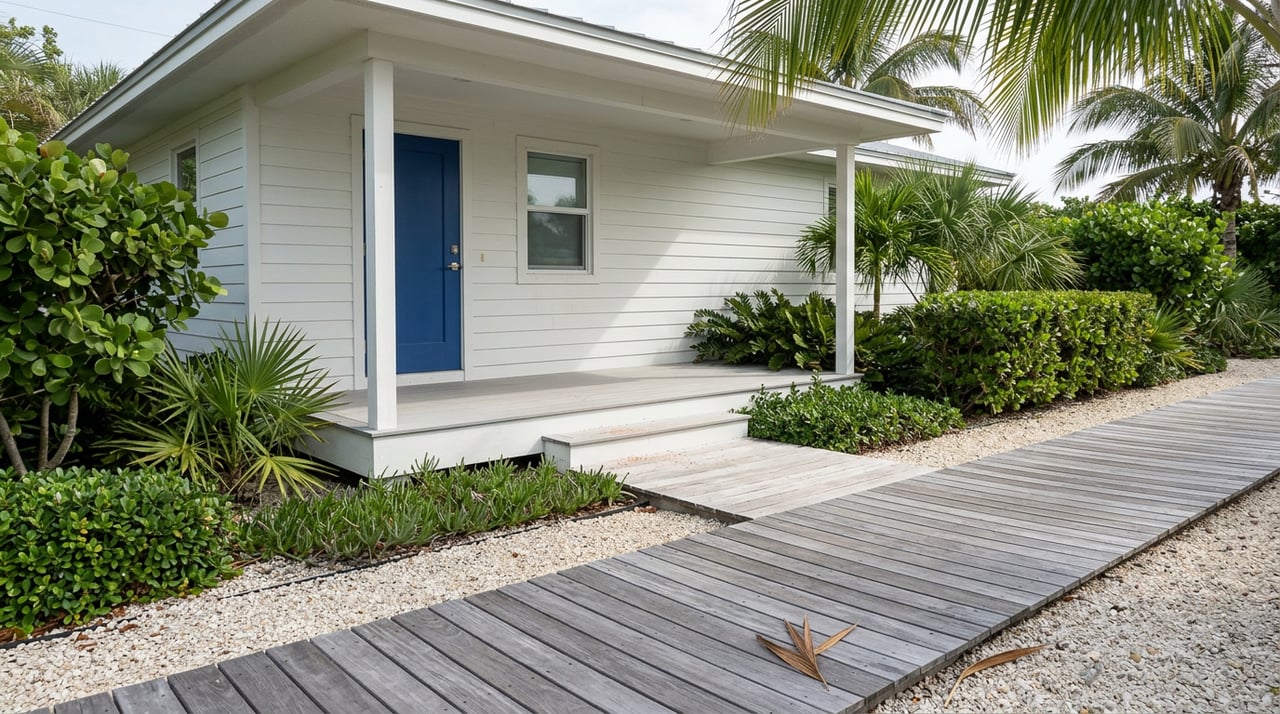
A half-duplex is one side of a two-unit building that shares a common wall. Each unit typically has its own entrance and may have separate utilities. In listings, you will see “half-duplex” used to describe a duplex unit rather than a freestanding single-family home.
Ownership structures to confirm
- Fee-simple on a single parcel: Both halves sit on one lot and may be covered by one deed. This setup can function like a single property for taxes and financing.
- Separately deeded units: Less common unless the property has been subdivided or converted, each half may have its own parcel and deed.
- Condominium conversion: Duplexes can be organized as condo units under Florida law. In that case, you own your unit and share common elements managed by an association.
The structure matters because it affects financing options, insurance coverage, maintenance obligations, and homestead tax eligibility. Always verify the legal description, parcel status, and any association documents.
What this means for you
- Financing: Lenders treat an owner-occupied half differently than an investment property or a condo. Loan types, down payments, and mortgage insurance vary.
- Taxes: Homestead benefits apply only if you occupy and the legal setup qualifies. Separate condo units can each potentially qualify if owner-occupied.
- Maintenance: If there is shared ownership of the lot or systems, make sure there is a written agreement that defines who pays for what and how repairs are handled.
Local factors in Key Colony Beach
Key Colony Beach is a small, incorporated island community in the Middle Keys. The coastal setting offers incredible lifestyle benefits, but it also brings specific due diligence items you should prioritize.
Flood and elevation basics
- Most properties are in FEMA flood zones or subject to storm surge. Request the property’s FEMA zone and an elevation certificate.
- Elevation and foundation type influence flood insurance costs and renovation requirements. Homes on pilings are common and require careful inspection for corrosion and rot.
- Finished floor height, flood vents, and enclosure rules can affect both livability and insurance premiums.
Wind and hurricane codes
- Florida’s coastal building codes are stringent. Repairs or remodels often trigger updates like impact-rated windows and enhanced roof tie-downs.
- In a duplex, shared walls and roof connections matter. If one side renovates, plan for how upgrades will interface with the attached unit and who pays to align shared elements.
Utilities, parking, and access
- Confirm water, sewer, and electric setups. Some properties have separate meters; others share systems that require cost-sharing agreements.
- Small lots and local rules may limit driveway or on-site parking. Check current parking and setback requirements before planning changes.
- Island access and hurricane evacuation planning are essential. Understand local guidance so you can set expectations for storm season.
Financing and insurance in the Keys
The right structure and documentation will smooth your financing and help you budget accurately for ownership costs.
Mortgages and appraisals
- Clarify whether you will occupy the unit. Owner-occupied multi-unit financing is different from investment property underwriting.
- Condo or association properties may need lender review. Reserves, insurance, and governance can influence loan eligibility.
- Appraisals can be challenging if recent comparable sales are limited. Work with a lender and appraiser familiar with the Middle Keys.
Flood and wind insurance
- Expect two core policies: flood and wind/hurricane. If you have a federally backed mortgage and the property is in a Special Flood Hazard Area, flood coverage is typically required.
- Ask for an existing elevation certificate. It can materially impact flood premiums.
- Windstorm policies often carry higher hurricane deductibles in the Keys. Compare quotes early and ask about mitigation credits for shutters, impact glass, or roof upgrades.
- If the property is part of an association, clarify what the master policy covers and whether you need an HO-6 policy for interiors and personal property.
Taxes, assessments, and fees
- Verify the Monroe County property appraiser records for current taxes and parcel details.
- Ask about any city or county special assessments, including stormwater or sewer charges.
- If you plan to homestead, confirm eligibility based on your occupancy and the property’s legal structure.
Rental and occupancy rules
Short-term rentals are tightly regulated in many Keys communities. Before assuming rental income, verify:
- City and county regulations for licensing, registration, and allowable rental periods.
- Association rules and CC&Rs that may restrict leasing or impose minimum lease terms.
- Tax obligations and compliance steps for legal rentals.
Getting this wrong can lead to fines or forced cessation of rentals, so confirm in writing before you buy.
Inspections and renovation planning
A coastal half-duplex benefits from a deeper look at how the building performs in wind, water, and salt air.
Pre-purchase inspections to prioritize
- Structure and foundation: Inspect pilings, grade beams, and connections for rot, corrosion, and lateral stability.
- Shared wall: Check for moisture intrusion, termite activity, and how loads are supported across the common wall.
- Roof and ties: Evaluate roof age, flashing, hurricane tie-downs, and any decking or balcony connections.
- Systems: Review plumbing, electrical, and HVAC components for salt-induced wear.
- Moisture and mold: Pay special attention to ground-level spaces and any enclosed areas below elevated living space.
- Flood risk: Confirm the FEMA zone and elevation certificate. If surge risk is a concern, consult a flood-risk professional.
Renovation permits and shared elements
- Repairs to shared roofs, walls, decks, or foundations typically require coordination with the neighboring owner or the association.
- Put cost-sharing and consent terms in writing before work begins. If none exist, speak with a local attorney about a party-wall or shared-element agreement.
- Elevation changes, floodproofing, or major upgrades will require permits and compliance with Florida Building Code coastal provisions.
Utility metering and safety upgrades
- Verify whether each unit has separate electric, water, and sewer meters. Shared metering can complicate billing and future resale.
- Consider hurricane mitigation upgrades like impact-rated doors and windows or shutters. Insurers may offer credits for approved improvements.
Buyer checklist for Key Colony Beach
Use this quick list to stay on track from offer to closing:
- Confirm the legal setup: single parcel, separate deeds, or condominium. Get a current title commitment.
- Obtain a recent survey or plat and identify easements and rights of way.
- Request and review any party-wall or shared-element agreements.
- Ask for the elevation certificate and confirm the FEMA flood zone.
- Order wind and flood insurance quotes based on current building details.
- Request the seller’s insurance loss history and policy declarations.
- If applicable, review HOA or condo documents, financials, reserves, minutes, and rules on leasing and renovations.
- Secure lender pre-approval that matches the actual ownership type and your planned occupancy.
- Verify local zoning, parking, and short-term rental rules with the appropriate departments.
- Schedule inspections with professionals experienced in coastal and pile-supported structures.
Work with a trusted local advisor
Buying a half-duplex in Key Colony Beach blends lifestyle with careful due diligence. When you understand the ownership structure, flood and wind exposures, financing path, and the scope of inspections, you can move forward with confidence. If you want a boutique, hands-on approach with deep Middle Keys expertise, connect with Tracy Chacksfield to discuss your goals and next steps.
FAQs
What is a half-duplex in Key Colony Beach?
- A half-duplex is one side of a two-unit building with a shared wall, its own entrance, and potentially separate utilities; the legal setup may be fee-simple, separately deeded, or a condo.
How does flood risk affect a half-duplex purchase?
- Flood zone and elevation drive insurance costs and permit requirements; always request the elevation certificate and confirm the FEMA zone before you finalize your offer.
What insurance do I need for a Keys half-duplex?
- Most buyers carry flood and wind/hurricane coverage; if there is an association, confirm what the master policy covers and whether you need an HO-6 for interiors and personal property.
Can I use a Key Colony Beach half-duplex for short-term rentals?
- It depends on city and county rules plus any association restrictions; verify licensing and lease-term rules in writing before assuming rental income.
How are shared walls and roofs maintained?
- Look for recorded party-wall or shared-element agreements that assign responsibility and cost sharing; if none exist, consult a local attorney to formalize terms.
Are utilities usually separate in duplexes there?
- Many are separately metered, but not all; confirm meters for electric, water, and sewer, and document any shared-billing arrangements.
What should I tell my lender about the property type?
- Clarify whether you will occupy the unit, whether it is a condo or fee-simple, and whether the other unit is owner-occupied or rented to align with loan guidelines.
Which documents should I review before closing?
- Title commitment, deed, survey, elevation certificate, insurance history, association documents and financials (if any), and inspection reports focused on structure, roof, and systems.