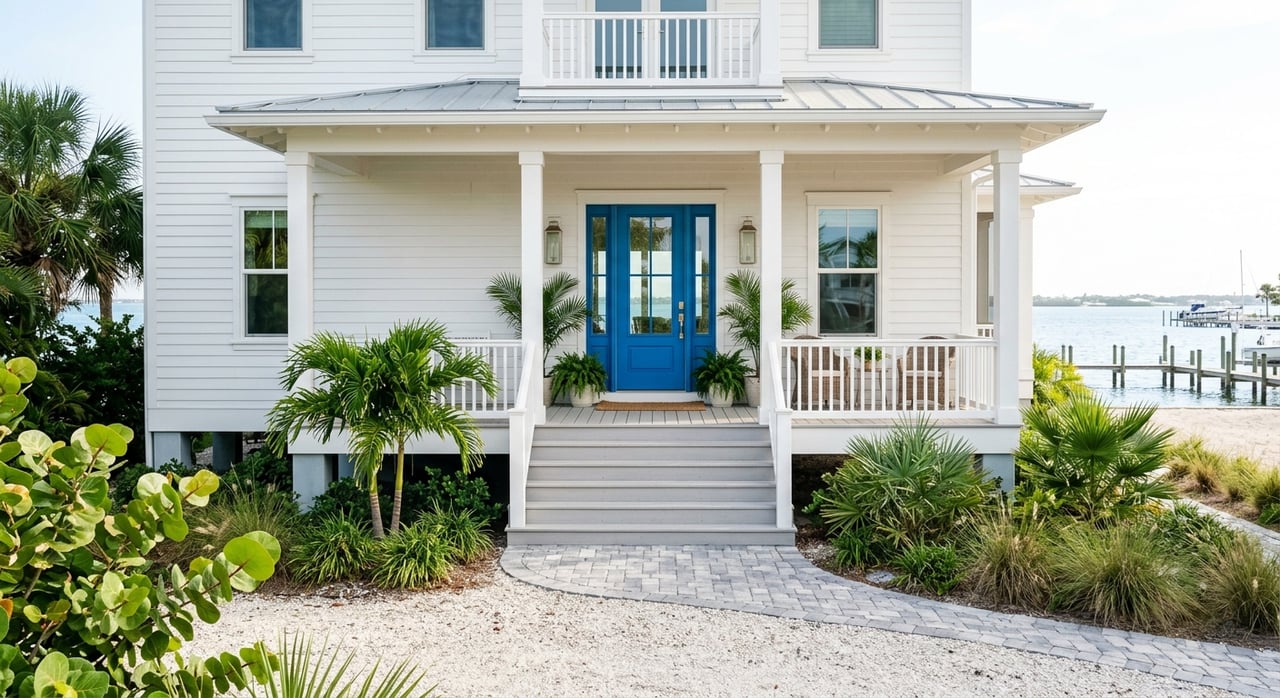
If you price a luxury waterfront home in Middle Torch Key like any other house, you risk missing the market. In a buyer-leaning county with thin direct sales data in some Keys submarkets, the right list price has to do more than sound ambitious. It needs to reflect how buyers actually value waterfront living, carrying costs, and the details that make one property more usable than another. This is where a smart, local pricing strategy matters most. Let’s dive in.
Why pricing is different in Middle Torch Key
Middle Torch Key sits within a highly segmented Middle Keys market, and that matters when you set an asking price. According to Realtor.com market data for Middle Torch Key, the area currently shows 252 homes for sale, a median listing price of $1.325M, about 79 days on market, and a 92% sale-to-list ratio.
Those numbers suggest buyers have options and sellers need to be strategic. Countywide, Monroe County is classified as a buyer's market, with about 2,346 homes for sale, a median 84 days on market, and a 95% sale-to-list ratio. In a market like this, overpricing can cost you time, leverage, and momentum.
Price per square foot is not enough
For a luxury waterfront home, price per square foot is only one piece of the story. The Florida Keys Board of REALTORS explains that a seller-side pricing analysis should review comparable listings by property type, price range, and location, then study recent MLS and public-record sales, days on market, tax roll data, lot size, legal description, zoning, and curb appeal. You can see that broader framework in the Board's overview of a REALTOR's role.
The National Association of REALTORS also notes that pricing should account for market analysis, comparable sales, property condition, local trends, size, location, amenities, and condition. Their asking price guidance also warns that overpricing often leads to price reductions and longer time on market.
In other words, your waterfront home is not just a set of dimensions. Buyers are comparing the full ownership experience, including access, views, condition, and monthly costs.
Waterfront features that drive value
The biggest value drivers in a Middle Torch Key waterfront sale are often the features buyers can use and see every day. Waterfront pricing tends to rise or fall based on how well your property delivers the lifestyle a buyer is seeking.
Appraisal guidance from Freddie Mac's UAD inspection and reporting tips shows why these details matter. Appraisers are asked to document private water access, access rights, linear waterfront footage, water access depth, views, marketability, and whether a permanent dock or pier is present.
That means buyers may place real value on features such as:
- Private dockage
- Deeper water access
- More usable canal or shoreline frontage
- Better water orientation
- Wider or more open view corridors
- Elevation and mitigation features
- Roof age and overall condition
If your home offers stronger boating utility, better views, or more functional waterfront improvements than nearby listings, those differences may justify a higher price. If those features are limited, the market may discount the property even if the home itself is beautifully finished.
Why nearby submarkets matter
One of the biggest pricing challenges in Middle Torch Key is that direct sold comparables may be limited. When that happens, your pricing strategy cannot stop at the neighborhood line.
The most practical approach is to look at nearby Middle Keys sales while keeping the waterfront match as tight as possible. Current Middle Torch Key and nearby market snapshots show how different these areas can be: Middle Torch Key is around $1.325M, Marathon around $1.10M, Key Colony Beach around $1.3895M, and Duck Key around $929,000.
Those are not interchangeable markets. They are neighboring pricing zones with different inventory, days on market, and buyer expectations. So if your home is being compared to sales from Marathon, Key Colony Beach, or Duck Key, the adjustments have to be thoughtful and specific.
How a broader comp strategy works
When direct Middle Torch Key sold data is thin, the goal is not to grab the highest nearby number and call it a day. The goal is to widen the search carefully, then narrow the comparison based on features that affect value most.
A sound comp strategy usually focuses on:
- Similar waterfront orientation
- Comparable dock or pier utility
- Similar water depth or boating access
- Similar frontage length
- Comparable view quality
- Similar elevation and mitigation features
- Similar age, updates, and overall condition
This kind of analysis helps create a pricing range that buyers can understand and appraisers can support. It also reduces the risk of chasing an unrealistic number that the market will not validate.
Rental income only counts if it is allowed
For some luxury waterfront owners, rental potential is part of the value story. But in the Middle Keys, that number should only be used if the property's zoning and permit status support it.
Monroe County's Special Vacation Rental Program makes clear that not all unincorporated areas allow rentals under 28 days. The county states that Improved Subdivision, Urban Residential Mobile Home, and IS-M districts prohibit those rentals, while SR, MU, UR, IS-V, and OS districts may allow them with a special permit. The county also requires an annual permit and a manager license where vacation rentals are allowed.
That is why rental income should never be assumed in a pricing conversation. While Middle Torch Key market data shows a median rent of $5,000 per month and 11 rentals listed, legal use still has to be verified on a property-by-property basis.
Flood insurance affects the buyer pool
Flood risk is not just an insurance issue. It can influence affordability, financing, and how many buyers feel comfortable making an offer.
According to the National Association of REALTORS' consumer guide to flood insurance, standard homeowners insurance usually does not cover flood damage. Flood insurance may also be required in high-risk areas for buyers using federally backed mortgages, and pricing varies by the property's specific risk.
For sellers, this matters in two ways. First, buyers may compare your home's carrying costs against competing waterfront listings. Second, mitigation features, elevation, and condition can shape how the property is perceived in the market.
Pre-listing updates that matter most
Not every improvement adds equal value before you sell. In a waterfront home, buyers and appraisers tend to focus on the elements that affect utility, exposure, and upkeep.
The strongest pre-listing priorities are often:
- Dock, pier, or waterfront feature condition
- Roof age and visible maintenance
- Overall property condition
- Exterior presentation and curb appeal
- Features tied to mitigation or reduced weather exposure
This does not mean you need a full renovation to list successfully. It means the best return often comes from improving the features buyers notice first and the features that support value in appraisal and inspection reviews.
The risk of overpricing in a buyer-leaning market
Luxury sellers sometimes feel pressure to leave room for negotiation by starting high. The problem is that buyers in a buyer-leaning market often interpret an inflated price as a sign that a seller is out of step with the market.
NAR's pricing guidance is clear that overpricing can lead to longer time on market and later price cuts. In Middle Torch Key, where current data shows about 79 days on market and a 92% sale-to-list ratio, entering the market too high can reduce urgency and weaken your eventual negotiating position.
A well-supported price does more than attract showings. It helps serious buyers feel confident enough to act.
What a strong pricing narrative looks like
The best luxury pricing strategy in Middle Torch Key is rarely the highest number. It is the number you can defend with market data, waterfront specifics, and a clear explanation of why your property stands apart.
That pricing narrative should connect the dots between your home's location, dockage, water access, views, elevation, condition, and any legally supportable rental use. When those factors are analyzed together, you get a price that is competitive, credible, and better positioned to hold up during negotiations and appraisal.
If you are preparing to sell a waterfront property in the Middle Keys, working with an advisor who understands micro-market differences, waterfront valuation details, and buyer expectations can make a meaningful difference. If you want a thoughtful, data-driven pricing strategy with a boutique level of service, connect with Tracy Chacksfield.
FAQs
How should you price a luxury waterfront home in Middle Torch Key?
- You should base the price on comparable listings and recent sales, then adjust for waterfront specifics such as dockage, water access, views, elevation, condition, and local market trends.
What if there are no recent Middle Torch Key home sales?
- If direct sold comparables are limited, you may need to use nearby Middle Keys sales from places like Marathon, Key Colony Beach, or Duck Key while making careful adjustments for waterfront features and market differences.
Does dockage add value to a Middle Torch Key waterfront home?
- Dockage can add value because buyers often focus on private water access, frontage, water depth, and the presence of permanent waterfront improvements such as a dock or pier.
Can rental income increase the price of a waterfront home in Monroe County?
- Rental income may support value only if the property's zoning and permit status legally allow that use under Monroe County rules.
How does flood insurance affect buyers of waterfront homes in the Middle Keys?
- Flood insurance can affect monthly carrying costs, financing requirements, and buyer demand because standard homeowners insurance usually does not cover flood damage and some buyers may need separate coverage.
Should you make repairs before listing a luxury waterfront home?
- Pre-listing repairs can help when they improve dock condition, roof condition, overall maintenance, curb appeal, or features that affect mitigation and buyer confidence.