If you are getting ready to sell a canal-front home in Marathon, buyers will notice the water before almost anything else. They want to see not just the house, but also how the dock, shoreline, and access work day to day. A strong prep plan helps your listing look polished online, answer buyer questions early, and support a smoother sale. Let’s dive in.
Why listing prep matters
For canal-front homes in Marathon, the waterfront is a major part of the property story. In a water-recreation market like Marathon County, boating access, shoreline condition, and the path to the water can shape how buyers view the home as a whole. According to Marathon County recreation information, boating, canoeing, and kayaking are popular across the county, which makes water access a meaningful feature to highlight.
Your online presentation matters just as much as your in-person presentation. The National Association of Realtors reports that more than 90% of buyers search online, and 85% say photos are the main factor in deciding which homes to visit. NAR also notes that 96% of consumers rate photos as the most useful feature on an agent website, which is why listing prep should focus heavily on visual appeal and clarity in your marketing materials.
Start with records and paperwork
Before photos or staging, gather the documents buyers are likely to ask for. For waterfront homes, that often includes dock or pier information, repair history, and any available permit paperwork. If your current dock setup differs from prior approvals, that matters because the Wisconsin DNR dock guidance states that changes beyond existing permit conditions may require an amendment or new approval.
You should also pull together any records related to the well and septic system if they apply to your property. Marathon County says private onsite wastewater systems must be maintained at least every three years, and the county health department advises private well owners to test annually. If a well inspection is completed during a transfer, the Wisconsin DNR notes it must be performed by a licensed well professional.
Paperwork to gather early
- Dock or pier permits and related documents
- Photos showing the current dock configuration
- Shoreline or dock repair records
- Septic maintenance records
- Recent well test results, if available
- Utility details and service information
- A list of included waterfront items, if applicable
Having these details ready can help remote buyers feel more confident and may reduce back-and-forth later in the process.
Check shoreland and zoning details
Waterfront listings often need extra attention when it comes to rules and approvals. In Marathon County’s unincorporated areas, shoreland zoning applies within 1,000 feet of lakes and flowages and 300 feet of streams and rivers, with permits required for significant earthwork and many structures or developments in the overlay area. You can review the county’s shoreland zoning and permit information before listing.
The county also notes that its overlay maps cover the 42 towns and do not replace city or village rules. That means if your property is in an incorporated municipality, it is smart to verify the specific local requirements separately. This step can help you avoid surprises if a buyer asks about shoreline use, vegetation, or future improvements.
Focus on curb appeal first
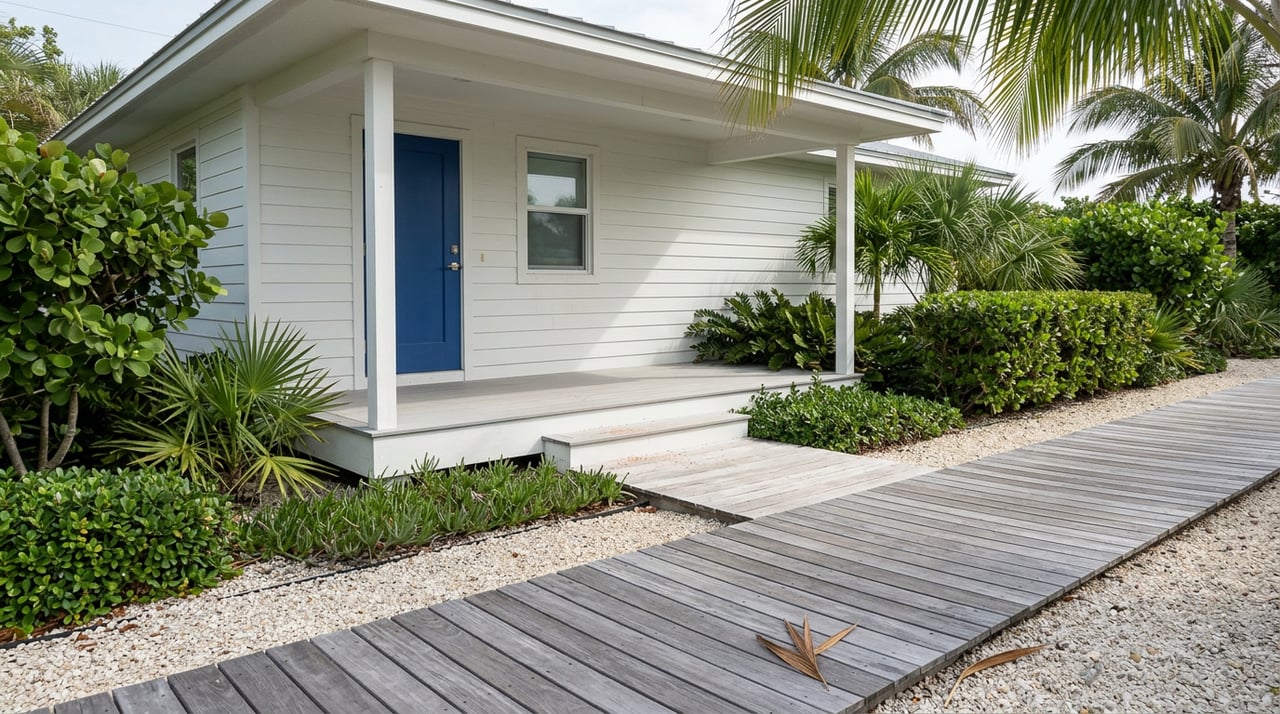
For a canal-front home, first impressions start at the street and continue all the way to the water. NAR’s outdoor-features research found that 92% of REALTORS recommend improving curb appeal before listing, while 97% say curb appeal is important for attracting a buyer. Basic cleanup can make a major difference in how buyers respond to your home online and in person.
A standard lawn-care service and an overall landscape refresh can also be practical investments before listing. The same NAR outdoor remodeling report found strong estimated cost recovery for simple outdoor improvements, which supports spending time on mowing, edging, trimming, and cleanup before your photo shoot.
Exterior prep checklist
- Mow and edge lawn areas
- Trim overgrown plants near entries and walkways
- Clear leaves, storm debris, and loose branches
- Pressure wash siding, paths, and visible exterior surfaces if needed
- Clean windows and exterior light fixtures
- Remove extra bins, tools, and unused outdoor items
- Make sure the path to the dock feels clear and easy to follow
Tidy the shoreline the right way
Shoreline maintenance should look neat, but not overdone. Wisconsin DNR shoreland guidance says clear-cutting is not allowed within 35 feet of the ordinary high-water mark except for routine maintenance. It also says an access or viewing corridor may not exceed 30% of shoreline frontage or 200 feet, so the goal is careful maintenance, not stripping the waterfront bare.
That means your prep plan should focus on a clean, natural appearance. Remove litter, fallen branches, and obvious clutter. Trim with restraint so buyers can see the water access while the shoreline still looks compliant and well cared for.
Make the dock feel usable
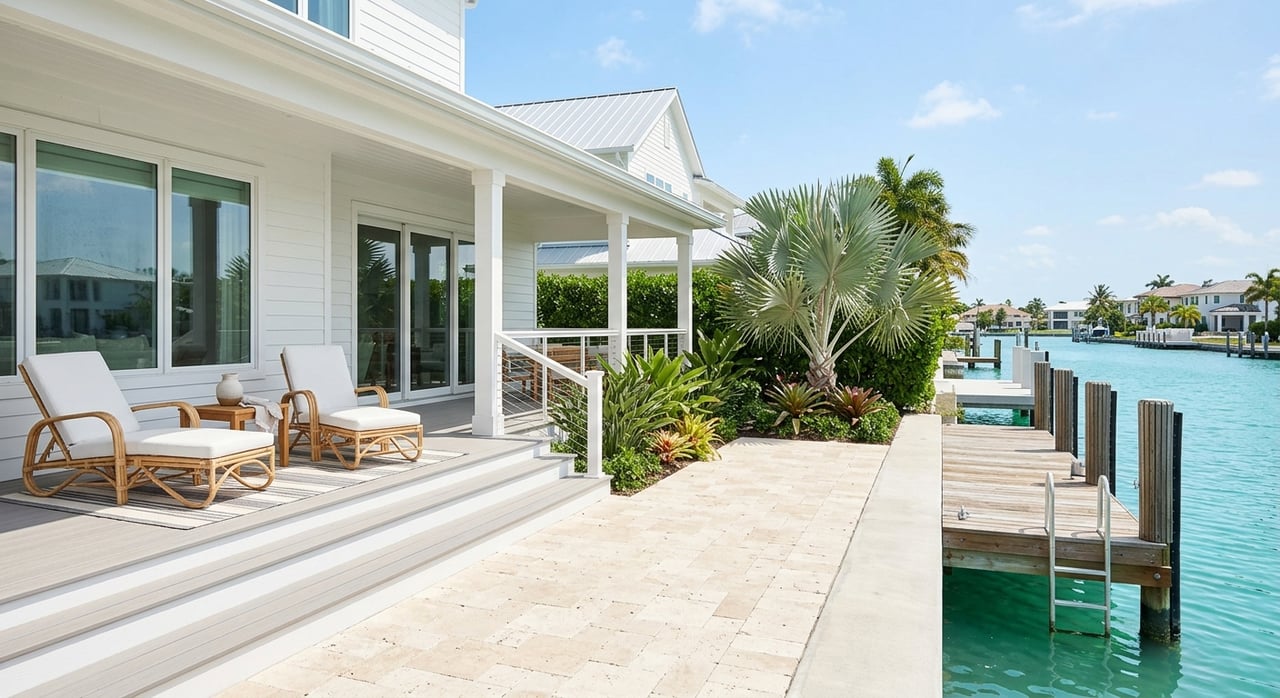
The dock is one of the most important selling features of a canal-front home. Buyers will look closely at whether it appears clean, safe, and ready to use. Even simple improvements can help the dock read as a valuable extension of the property instead of an item on the repair list.
Start with the basics. Clean the surface, organize hoses and storage items, and check that ladders, railings, and visible safety hardware are in place and functioning. Keep the space open and uncluttered so buyers can picture how they would use it.
Dock and boat-area checklist
- Sweep and wash dock surfaces
- Check ladders and railings for visible function and stability
- Coil hoses neatly
- Store fishing gear and loose equipment out of sight
- Remove broken chairs, damaged bins, or worn accessories
- Confirm visible safety hardware is accessible
- Clear the route from the home to the dock
If boats, kayaks, or trailers will be on site during photos or showings, follow the Wisconsin DNR invasive species guidance by removing mud and aquatic plants and draining water from livewells, bilges, and bait buckets.
Stage for simple, clean photos
Staging can help buyers connect with the home faster. In NAR’s 2025 home staging snapshot, 83% of buyers’ agents said staging makes it easier for buyers to visualize the property as a future home, and 49% of sellers’ agents said staging reduced time on market.
For canal-front homes, keep the styling simple so the water access and layout remain the focus. NAR recommends clean light fixtures, dusting, and avoiding distracting photo issues such as open toilet lids, televisions in the background, or vehicles blocking the driveway. It also cautions against overly staged or gimmicky props that can pull attention away from the property itself.
Photo-day checklist
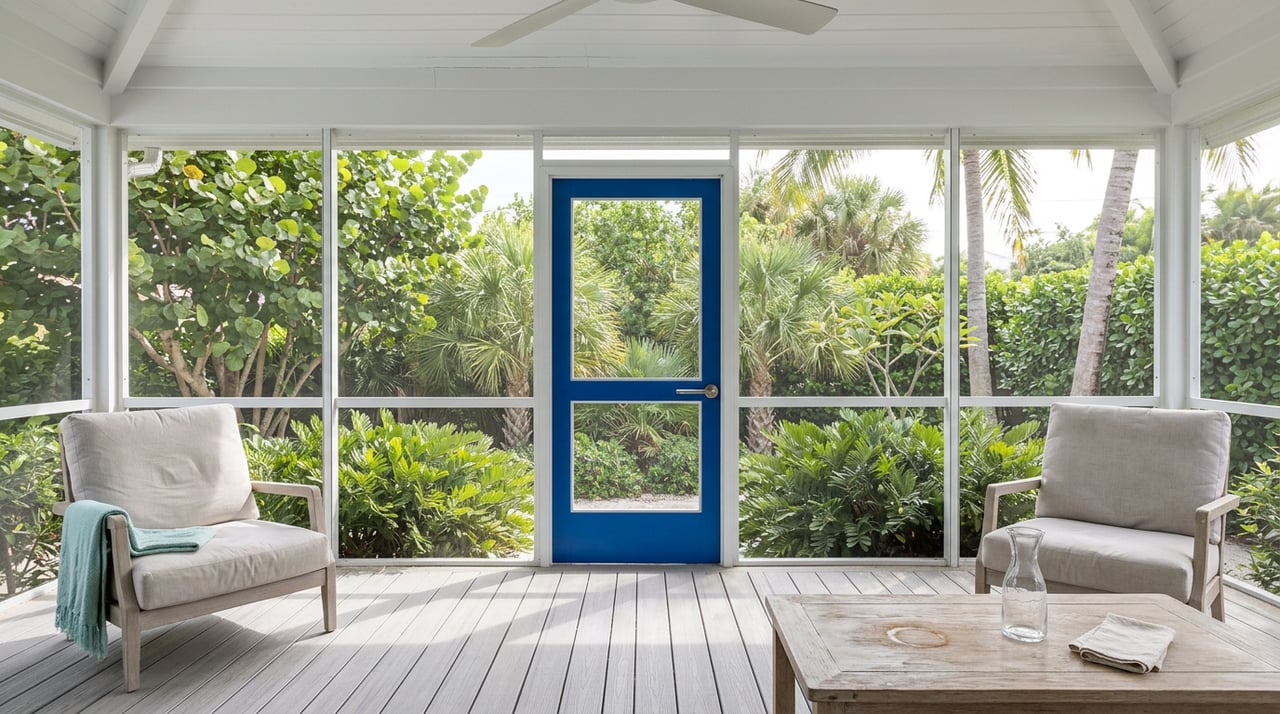
- Open blinds and shades to maximize natural light
- Replace burned-out bulbs
- Dust fans, fixtures, and visible surfaces
- Hide personal items and excess decor
- Remove vehicles from the driveway
- Close toilet lids
- Put away pet items, cords, and countertop clutter
- Keep styling minimal and consistent
Use visuals that answer buyer questions
Because so many buyers begin online, your listing visuals should do more than look attractive. They should answer practical questions quickly. For waterfront homes, that includes showing the dock, the shoreline, the path from the home to the water, and the broader setting.
NAR notes that drone photography and video can highlight landscape, outdoor features, and location, while virtual tours can help out-of-area buyers understand the layout and make decisions faster. This can be especially useful if your likely buyer is comparing multiple waterfront homes remotely.
A good visual package should help a buyer understand:
- How the canal-front setting relates to the house
- Where the dock or pier sits on the property
- How easy the access path is
- What the exterior spaces look like as a whole
- How the floor plan connects to the waterfront areas
Anticipate buyer questions before they ask
The best-prepared listings answer common concerns upfront. For a Marathon canal-front home, buyers often want to know whether the dock or pier is included, whether it is permitted, how the shoreline can be used, what seasonal watercraft access looks like, and whether well and septic records are available.
When you prepare these answers ahead of time, your listing feels more complete and credible. That can be especially helpful for out-of-area buyers who are trying to narrow down options before scheduling a visit. Clear details reduce friction and help serious buyers move forward with confidence.
Final pre-listing walk-through
Before your home goes live, do one last pass as if you were seeing it for the first time online and then in person. Stand at the street, then at the front door, then at the main living area, and finally at the water. At each stop, ask yourself whether the space feels clean, functional, and easy to understand.
This final review often catches small issues that matter in photos and showings, like a crooked dock box, a blocked water view, or a cluttered side yard. The goal is not perfection. It is creating a listing that feels well managed, visually appealing, and easy for buyers to trust.
When you are ready to position your waterfront home with polished marketing, thoughtful prep, and hands-on guidance, connect with Tracy Chacksfield for a boutique listing experience built around details that matter.
FAQs
What should you fix before listing a Marathon canal-front home?
- Focus first on visible maintenance, waterfront access, dock cleanup, exterior appearance, and gathering key records like dock, well, and septic documentation.
Do dock permits matter when selling a Marathon canal-front property?
- Yes. The Wisconsin DNR says existing permit conditions control dock size and configuration, so permit records and current dock details are useful to have ready for buyers.
How should you clean up the shoreline at a Marathon waterfront home?
- Aim for neat routine maintenance rather than aggressive clearing, because Wisconsin DNR shoreland rules limit clear-cutting and access-corridor width near the water.
Why are professional photos important for Marathon canal-front listings?
- NAR reports that most buyers search online first and that photos are one of the main factors in deciding which homes to visit.
What records help buyers evaluate a Marathon waterfront home?
- Buyers often look for dock or pier paperwork, repair history, well information, septic maintenance records, and details about how the shoreline and water access can be used.