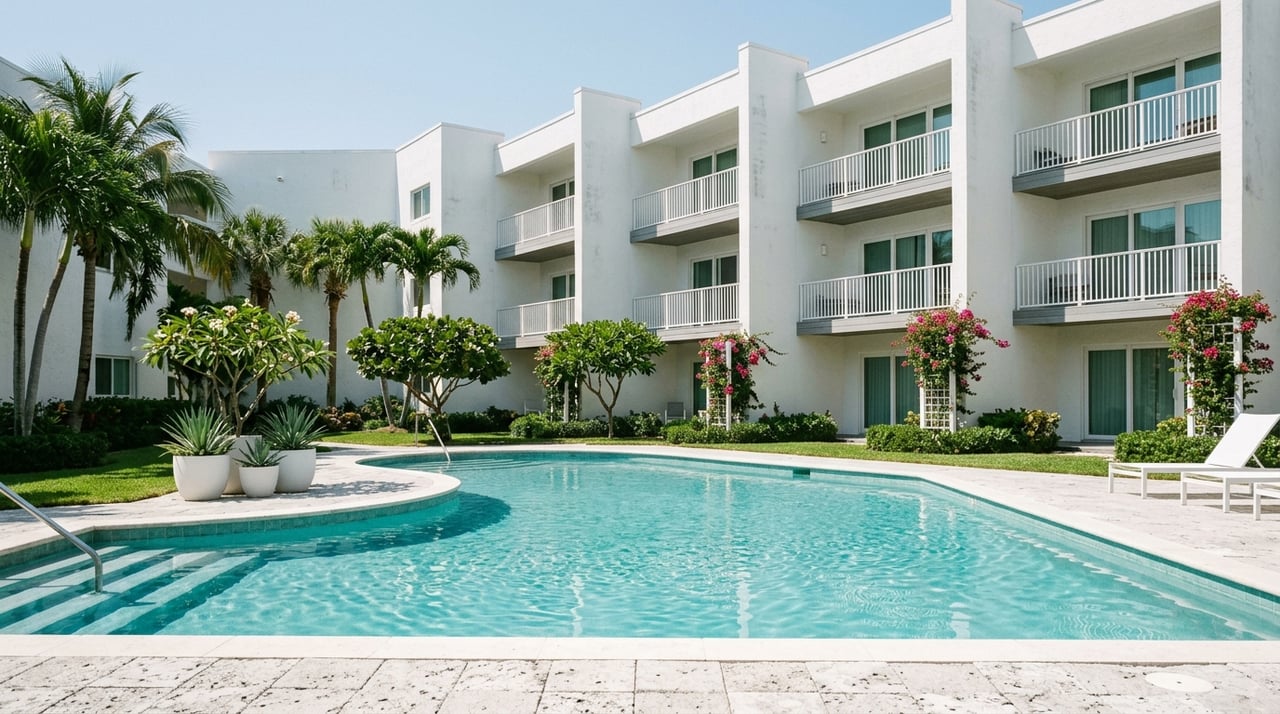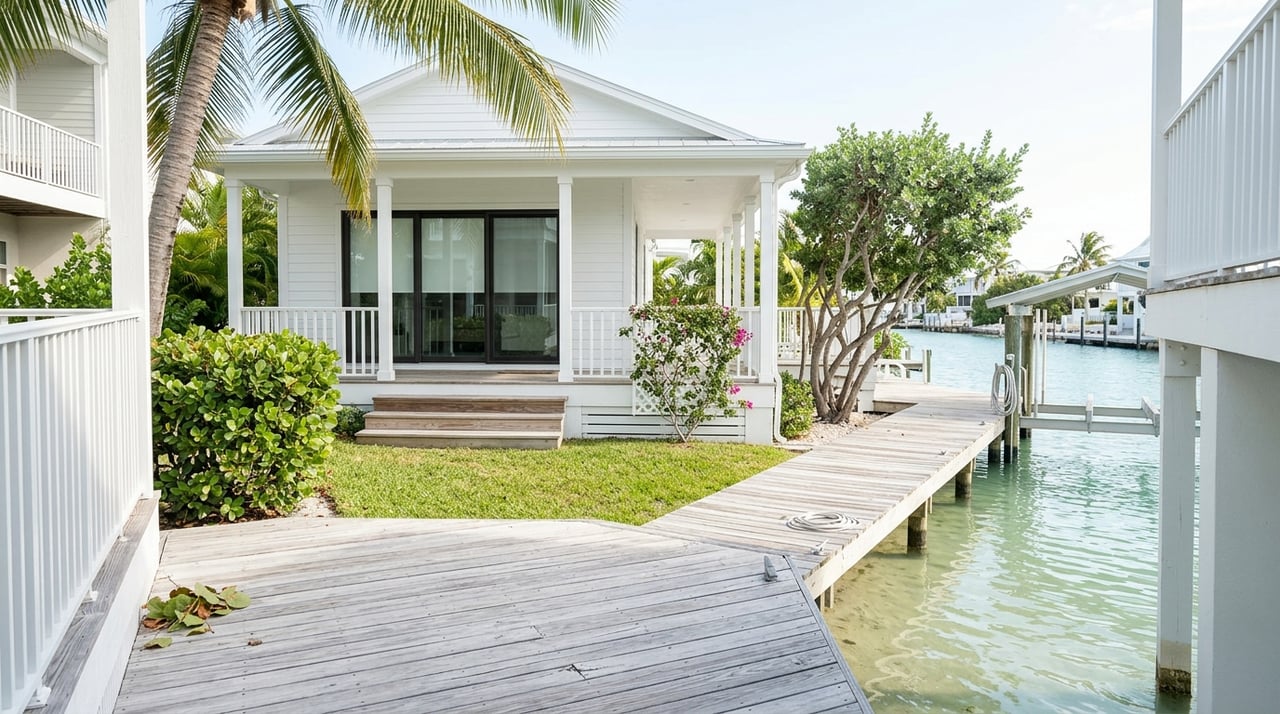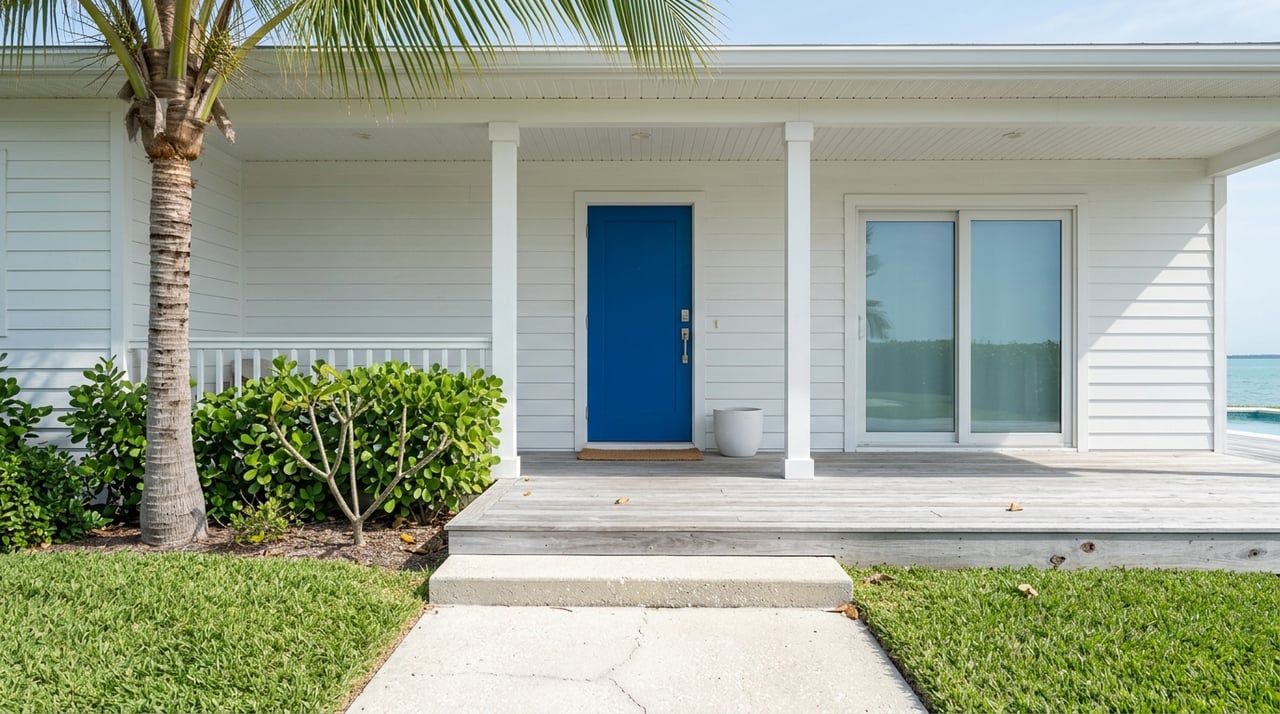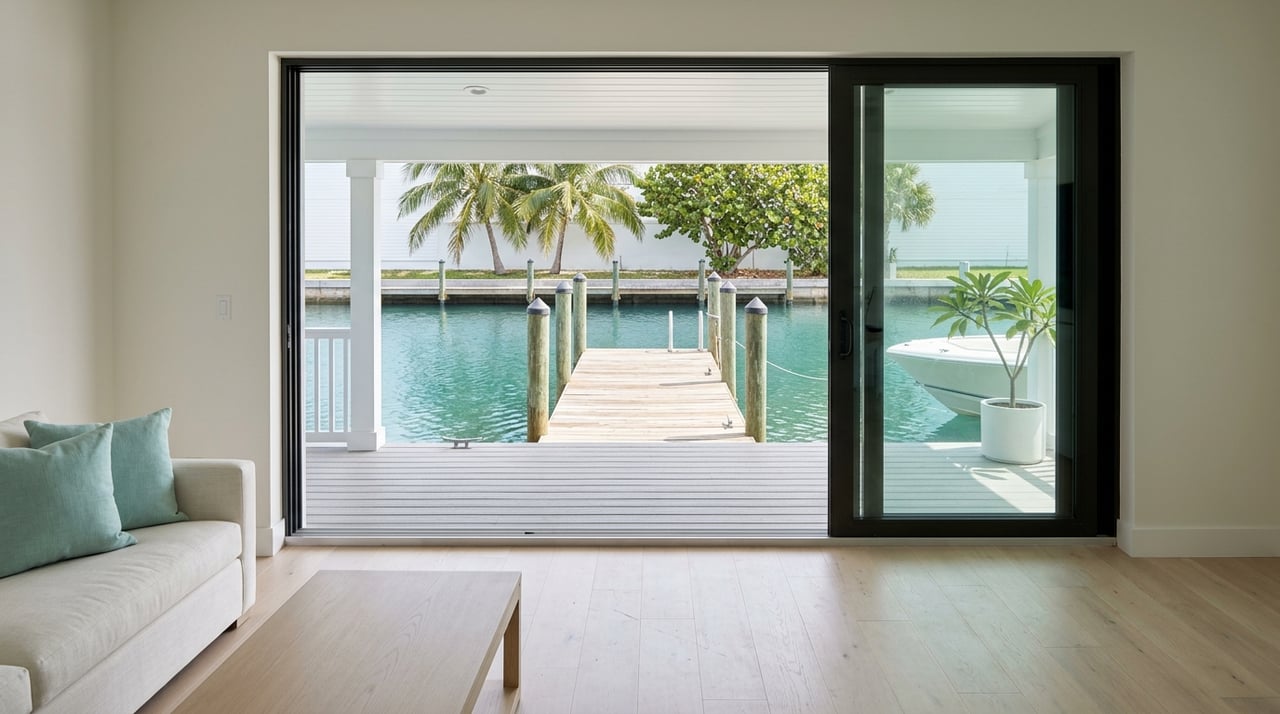
If you are searching for waterfront property in Coco Plum, one detail matters right away: not all waterfront here feels the same. In Coco Plum Terraces and the surrounding Coco Plum area of Marathon, you may be choosing between sheltered canal frontage, marina access, or more open Atlantic-facing settings. Understanding those differences can help you focus on the right fit for your boating habits, maintenance comfort level, and day-to-day lifestyle. Let’s dive in.
Coco Plum Waterfront Is Not One-Size-Fits-All
Coco Plum sits on the Atlantic side of the Middle Keys and includes a mix of canal-front parcels and more open waterfront settings. The City of Marathon describes Coco Plum Beach as an Atlantic Ocean beach with an adjacent wetland area, while public permitting records for nearby parcels show canal properties designed around boating access.
That matters because your waterfront experience can vary a lot from one property to the next. Two homes in the broader Coco Plum area may both be called waterfront, yet one may offer protected dockage on a canal while another is more about open views and ocean exposure.
For many buyers, that is the starting point. Before you fall in love with a photo, it helps to decide whether you want boating convenience, wider water views, lower dock upkeep, or a balance of all three.
Canal Homes in Coco Plum Terraces
Canal-front homes are often the first thing buyers picture when they think about Keys waterfront living. In Coco Plum Terraces, boating appears to be woven into the community structure, with community materials referencing vessel information and insurance forms tied to boat slips.
That said, canal access is not something to assume at a neighborhood-wide level. Public notices for Coco Plum and nearby canal projects show that dock and canal conditions can be very specific to each parcel, including maintenance dredging requests at roughly minus four to minus five feet mean low water on certain projects.
If you are comparing canal homes, focus on the details that shape actual usability. A canal address alone does not tell you everything you need to know.
What to verify on a canal property
- Canal depth at the dock
- Vessel size the dock can realistically handle
- Whether the slip is deeded, assigned, or governed by association rules
- Water and power availability at the dock
- Pump-out access, if relevant to your boat
- How far the canal sits from the Atlantic
- Whether any dock or shoreline improvements are parcel-specific
For buyers with boats, this is where local guidance becomes especially valuable. A home can look ideal on paper, but the real test is whether the dock setup supports the way you actually use the water.
Open-Water and Oceanfront Options
Some Coco Plum properties are better defined by exposure to the Atlantic than by protected canal access. City planning records distinguish the oceanside conservation strip near Coco Plum Beach from residential areas farther east at the end of Coco Plum Drive, supporting the idea that the broader area includes a true open-water or oceanfront category.
This type of property often appeals to buyers who care most about the setting itself. If your priority is a broader water view, ocean breeze, and a more direct connection to the Atlantic, open-water frontage may feel more compelling than canal shelter.
The tradeoff is that open exposure and protected dockage are not the same thing. In practical terms, you may be weighing stronger view appeal against the convenience and protection that canal-front properties can offer.
Who tends to prefer open-water homes
- Buyers who value views first
- Second-home owners seeking a strong sense of place
- Owners who may boat occasionally but do not center every decision on a private dock
- Buyers comfortable weighing exposure and maintenance as part of waterfront ownership
Marina-View and Shared-Slip Living
Not every waterfront buyer wants the responsibility of a private dock. In Coco Plum, marina-view and shared-slip options can offer a practical middle ground.
Nearby marina-oriented properties in the area advertise deepwater slips, along with features like water, power, parking, and pump-out. That setup may appeal to buyers who want boating convenience but prefer a more managed arrangement.
For some owners, this can be the easier path. You still enjoy access to the boating lifestyle, but you may have fewer lot-level dock questions to solve compared with a private canal-front home.
Why shared-slip options appeal to some buyers
- Less private dock maintenance to manage
- Boating access may be more straightforward
- Utilities and services may already be in place
- Marina access can work well for seasonal or second-home ownership
This category can be especially attractive if you want time on the water without making private dock infrastructure a major part of your purchase decision.
What Boaters Should Compare First
In this part of Marathon, waterfront value is about more than the view. Monroe County’s Marine Resources Office and City of Marathon boating guidance both point to a practical reality: water access conditions, infrastructure, and usage can vary.
That means your best comparison tool is a boating checklist. If you trailer a boat, your needs may differ from someone who wants a vessel behind the house full time. If you plan to keep a larger boat in the water, depth and dock configuration become even more important.
Here are the questions worth asking early in your search:
Key boating questions to ask
- How usable is the dock at typical tide levels?
- What vessel length and draft does the property support?
- Are there association rules for slips, insurance, or vessel use?
- Does the dock have water and electric service?
- Is pump-out available nearby or on site?
- How quickly can you reach the Atlantic from the canal?
- If you do not keep a boat at home, what public launch options in Marathon might support your routine?
The broader Marathon boating ecosystem also helps. City marina resources and public launch infrastructure mean some buyers can think more flexibly about how often they truly need private dockage.
Waterfront Ownership Also Means Rules and Oversight
One of the most important things to understand in Coco Plum is that boating infrastructure may be shaped by several layers of oversight. Community rules, local marine resources, city guidance, and federal permitting records all suggest that dock dimensions, use rules, and shoreline modifications can vary from property to property.
That is why two nearby listings may not offer the same ownership experience. One may have clearer slip rights or more established dock utilities, while another may need more careful review.
For buyers, the takeaway is simple: treat waterfront features as property-specific assets, not automatic neighborhood benefits. A careful review upfront can save you time and help you buy with more confidence.
Lifestyle Beyond the Dock
Coco Plum offers more than boating. The area’s appeal also comes from the way water access, natural shoreline, and outdoor recreation sit close together.
Coco Plum Beach is a public natural beach area with restroom facilities and a covered pavilion. The city also identifies it as a turtle-nesting beach, which adds to the area’s distinctive coastal character.
For many nearby owners, the beach is an easy lifestyle amenity rather than a once-in-a-while destination. The entrance is about 1.4 miles south on Coco Plum Drive, making it realistic for a walk, bike ride, or short drive depending on where you live.
Nearby outdoor perks
- Public beach access at Coco Plum Beach
- Restroom facilities and a covered pavilion
- Easy access for walking or biking from nearby homes
- Connection to the wider outdoor lifestyle of Marathon
The Florida Keys Overseas Heritage Trail is another major plus. Florida State Parks describes it as more than 90 miles of paved multi-use pathway that supports biking, walking, running, fishing, and paddling, and Marathon planning documents have also referenced Coco Plum Trail completion and path lighting.
For buyers who want both waterfront living and an active daily routine, that combination can be a real advantage.
Resilience Matters in Coco Plum
Waterfront appeal should always be weighed alongside long-term upkeep and exposure. The City of Marathon’s planning work for the Coco Plum Beach area specifically addresses flooding, power loss, coastal erosion, and sea level rise.
That does not mean you should avoid the area. It means you should evaluate each property with a full understanding of both its lifestyle benefits and its practical realities.
In Coco Plum, that often comes down to balance. You may be comparing canal protection against open-water views, beach proximity against exposure, or private dock convenience against a more managed marina setup.
When you look at the whole picture, you can make a more confident choice about which kind of waterfront home truly fits your goals.
How to Narrow the Right Fit
If you are trying to decide between canals, marina access, and open-water homes in Coco Plum Terraces, start with your habits rather than the listing photos. The best property for you is the one that supports how you plan to live in the Keys.
Ask yourself a few practical questions:
Start with your lifestyle priorities
- Do you want to keep a boat at home?
- How important are protected dockage and canal shelter?
- Are wide Atlantic views a top priority?
- Would shared-slip convenience fit your lifestyle better?
- How much maintenance are you comfortable managing?
- How important are beach access and walking or biking options nearby?
Those answers can quickly narrow your search. They can also help you avoid paying for a feature that looks appealing but does not actually match your day-to-day needs.
Whether you are buying a second home, planning a seasonal move, or searching for a full-time waterfront property, local micro-market knowledge matters in Coco Plum. If you want help comparing canal-front, marina-adjacent, and open-water opportunities in Marathon, Tracy Chacksfield offers a boutique, high-touch approach grounded in local insight and careful guidance.
FAQs
What types of waterfront homes are found in Coco Plum Terraces?
- Coco Plum includes canal-front homes, marina-oriented or shared-slip options, and more open Atlantic-facing waterfront settings, so the ownership experience can vary by property.
What should buyers verify about docks in Coco Plum?
- Buyers should confirm canal depth, vessel size fit, slip rights, association rules, dock utilities, pump-out access, and how quickly the property reaches the Atlantic.
Are all Coco Plum canal homes considered deep water?
- No. Research suggests deep-water access should be treated as a parcel-specific question rather than a neighborhood-wide assumption.
What makes marina-view properties appealing in Coco Plum?
- Marina-view or shared-slip properties may offer boating convenience with less private dock maintenance, which can be attractive for seasonal owners or buyers seeking a simpler setup.
What lifestyle amenities are near Coco Plum waterfront homes?
- Nearby amenities include Coco Plum Beach, a covered pavilion, restroom facilities, and access to the Florida Keys Overseas Heritage Trail for walking, biking, and other outdoor activities.
Why should buyers consider resilience in Coco Plum?
- The City of Marathon is planning around flooding, power loss, coastal erosion, and sea level rise in the Coco Plum Beach area, so buyers should weigh waterfront enjoyment alongside long-term exposure and maintenance factors.