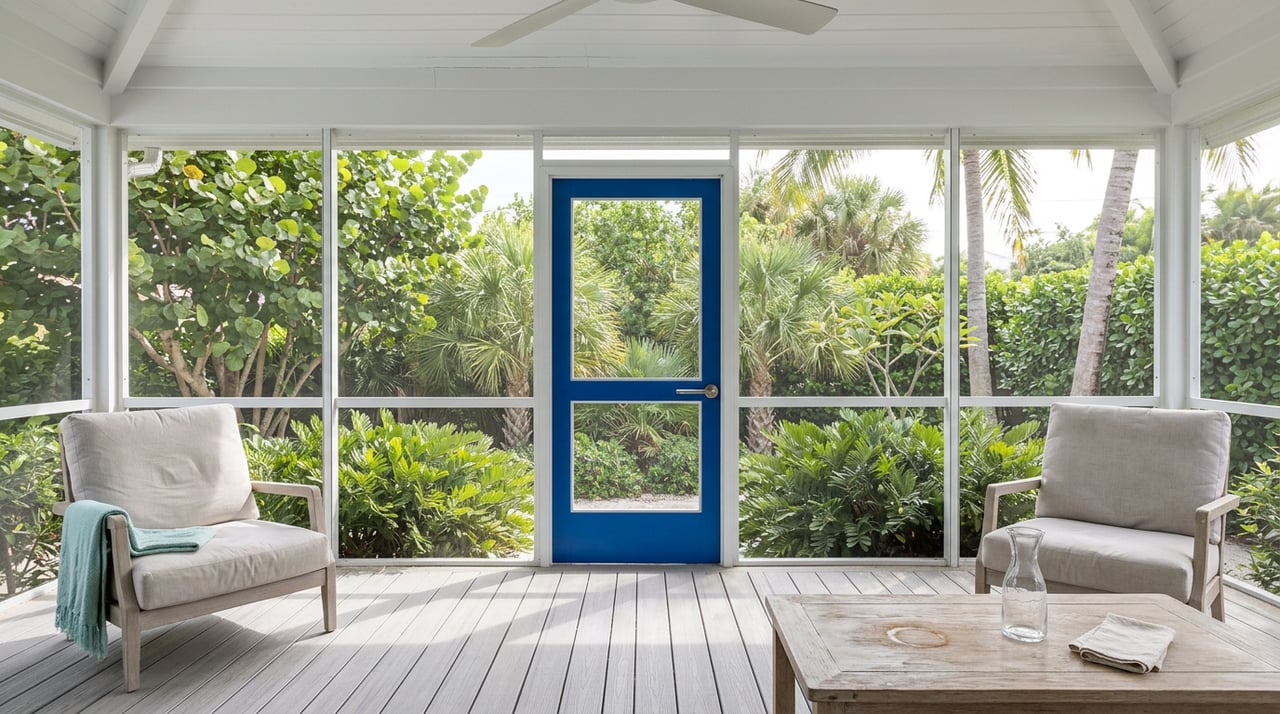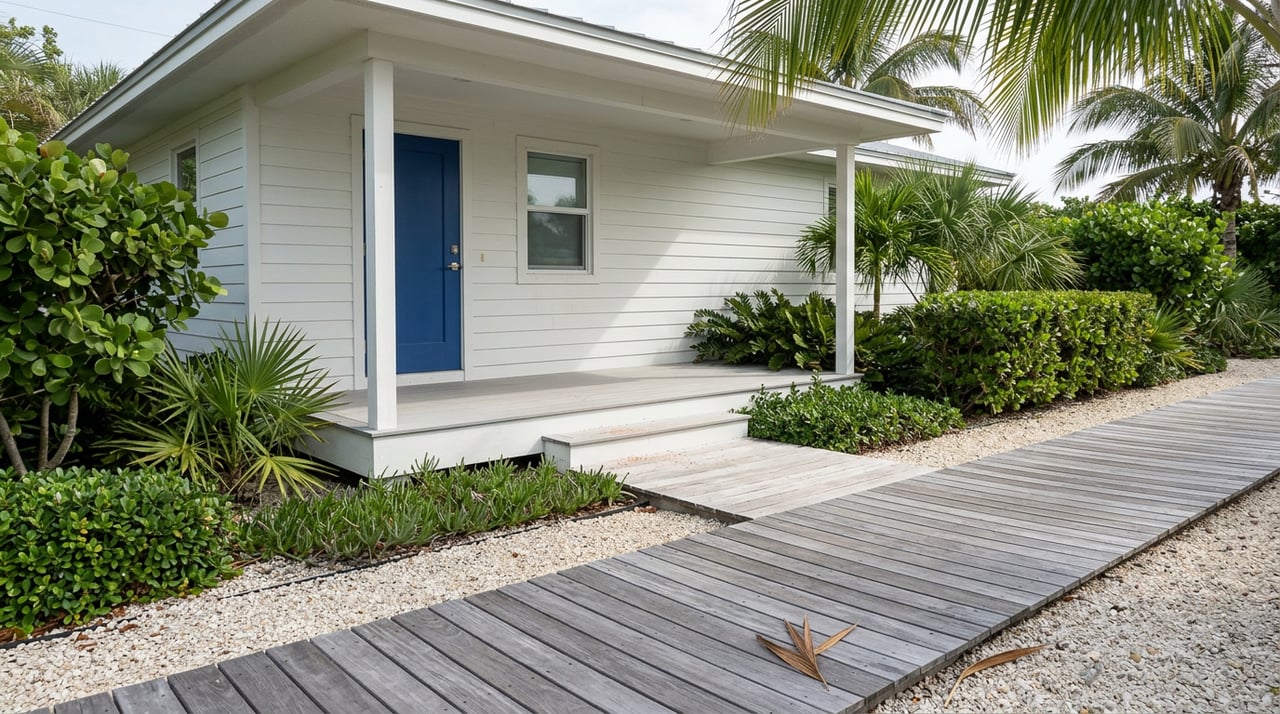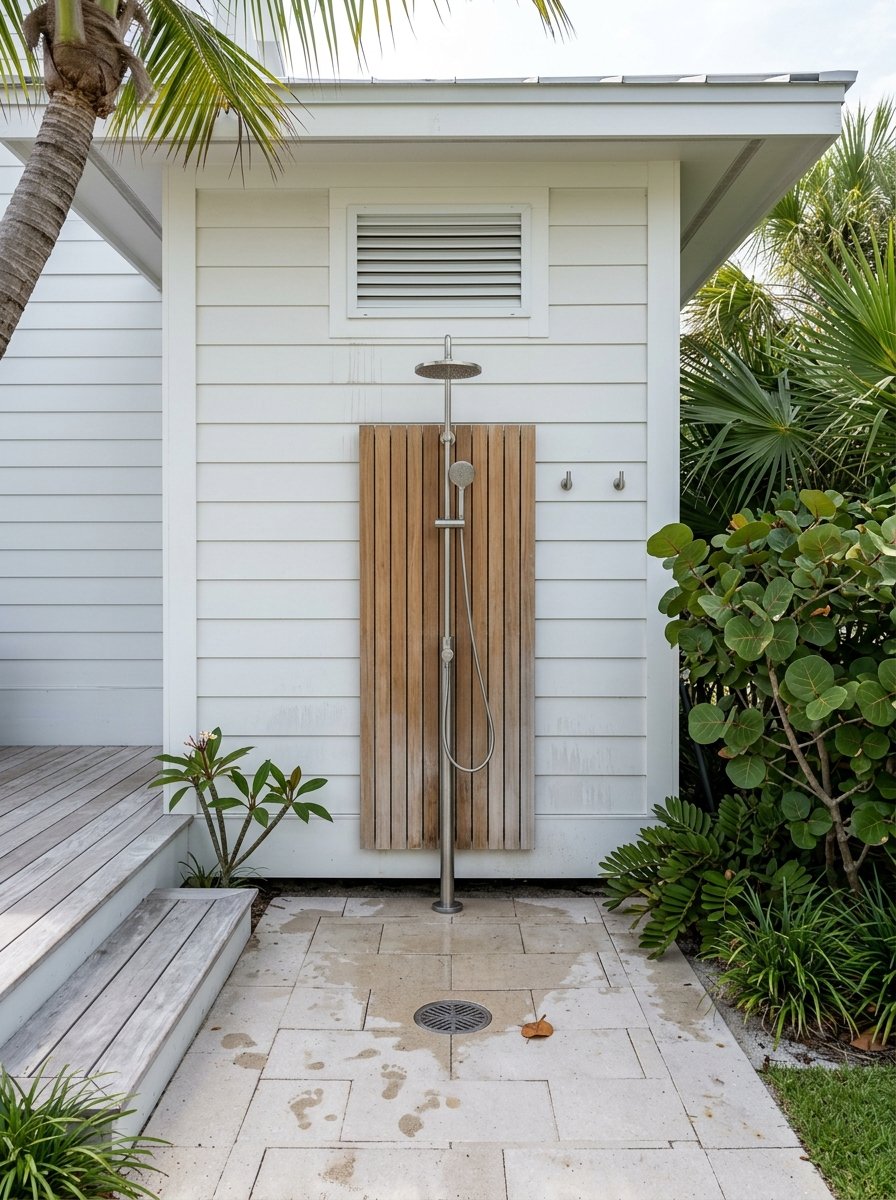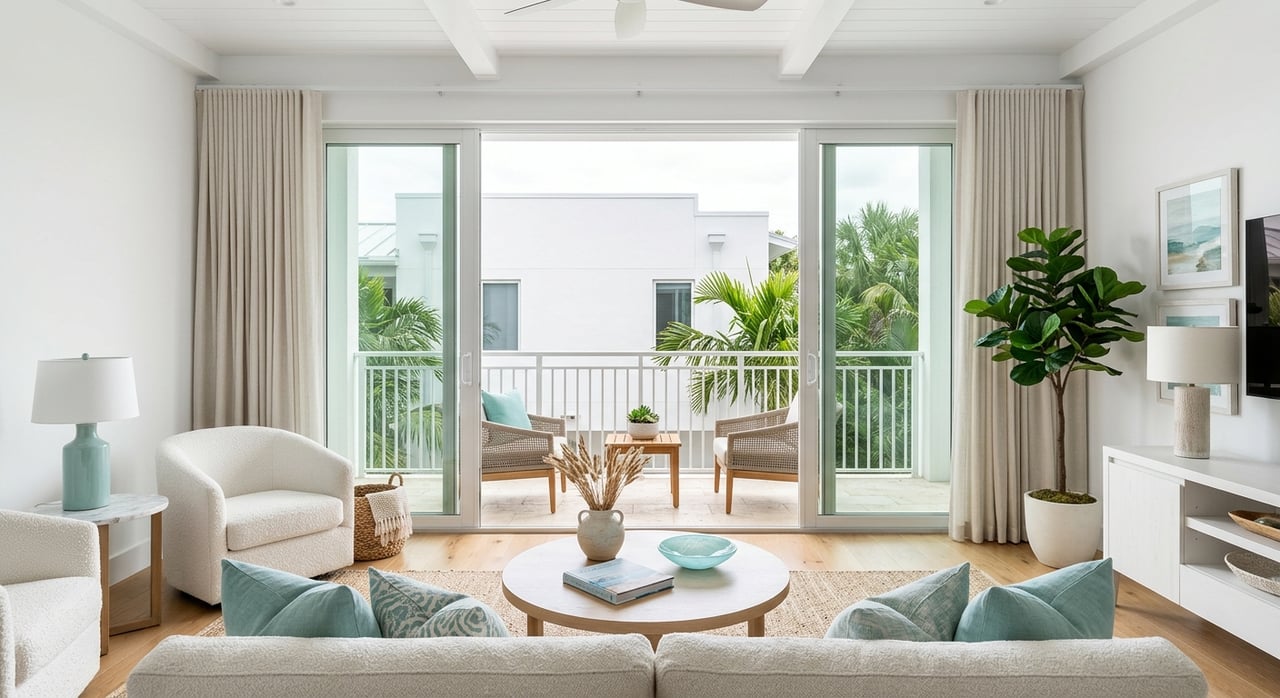
Wondering whether a villa at Coral Lagoon is a personal getaway, a rental investment, or both? That is exactly why this property draws so much attention in Marathon. If you are thinking about buying here, it helps to understand how Coral Lagoon actually operates, what owners need to verify, and where the biggest value points and due-diligence items sit. Let’s dive in.
Coral Lagoon at a Glance
Coral Lagoon is not best understood as a typical residential neighborhood. The City of Marathon’s 2014 development agreement describes the property at 12399 Overseas Highway as a hotel-resort facility with 25 three-bedroom resort transient units and related marina operations.
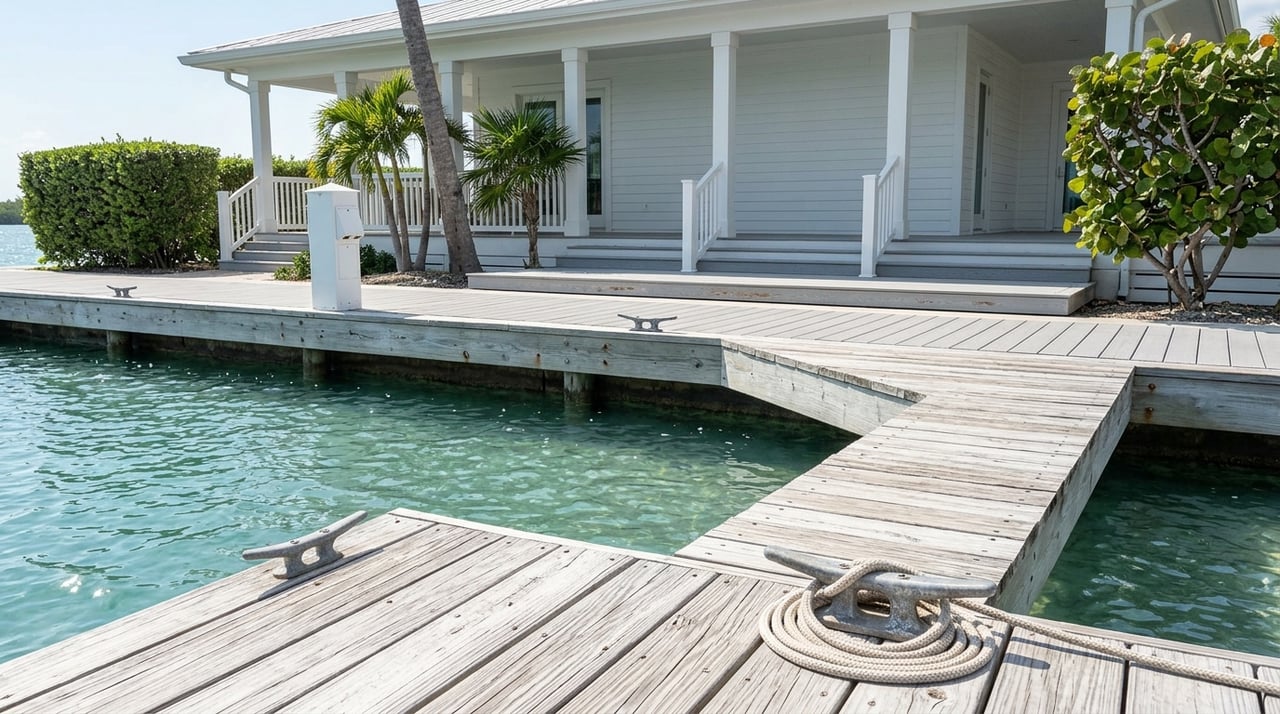
Current public-facing resort pages also present Coral Lagoon as a 25-villa oceanside community with three-bedroom homes and a full-service marina next to the resort grounds. In practical terms, that means you are looking at a resort-style ownership model where individual villas may function very differently from a standard single-family home in Marathon.
For many buyers, that distinction is the starting point. Guests are typically booking short stays tied to boating, fishing, and family travel, rather than moving into a long-term residential setting. Public listings also show three-bedroom villas that sleep up to eight, which supports that group-oriented vacation pattern.
Why Buyers Look at Coral Lagoon
Coral Lagoon appeals to buyers who want a Middle Keys property that supports both lifestyle use and guest demand. The combination of three-bedroom villa layouts, marina access, and a nightly-rental resort setting creates a product that stands apart from a more traditional home purchase.
The guest profile is also fairly clear from current marketing. Coral Lagoon is positioned toward avid fishermen, boaters, families, and second-home users who want direct access to charter activity and water-based recreation. If you are buying with future rentals in mind, that boating-focused audience is an important part of the equation.
Another draw is the format itself. A villa can offer a more turnkey feel than some larger standalone waterfront properties, which may appeal if you want a second home that is easier to use for seasonal stays while still fitting into a rental program or managed guest-use structure.
Marina Access Is a Major Part of Value
At Coral Lagoon, the marina is not just a nice extra. It is one of the core reasons buyers consider the property in the first place. Resort materials describe adjacent marina access, full-service support, wet slips, and quick access to both the Atlantic and Gulf.
That said, dockage should be treated as a regulated amenity, not an assumed benefit. The current FAQ states that some villas have assigned slips, owners cannot park in open slips, and additional slips may be rented from the dockmaster if available.
This matters because the exact boating setup can affect how you use the villa and how attractive it may be to future guests. If boating is central to your purchase decision, you will want written confirmation of slip rights, assignment terms, and any rental options before you close.
Boating Rules Owners Need to Know
The marina rules are detailed, and buyers should review them carefully. Current posted rules limit use to slip owners, renters, captains, and invited guests. There is no public dinghy dock, no public use of shower or laundry facilities, no liveaboards, and only one vessel is allowed per slip.
Insurance is another key checkpoint. The operator requires boat insurance naming The Boathouse Marina Condominium Association as additional insured, with minimum liability limits of $300,000.
There are also overnight-use limits that may affect both owners and renters. Current rules cap overnight vessel stays at five consecutive nights and ten days per month. If you expect frequent overnight dockage, that is something to clarify early.
Size limits are especially important. The marina rules state that no vessel longer than 48 feet 8 inches LOA may moor in the marina, no draft may exceed 6 feet, and trailer-launched boats at the ramp are limited to 28 feet LOA. Because some marketing materials reference wet slips for boats up to 65 feet, buyers should verify the exact allowable size for the specific slip tied to a villa.
Trailer Service and Boat Logistics
If you plan to bring a trailer boat, the day-to-day logistics matter almost as much as the slip itself. The marina lists ramp hours from 8:00 a.m. to 4:30 p.m. daily and notes that trailer storage is available for guests.
Current 2026 pricing also gives useful context for ownership planning. The marina lists trailer storage at $33 for guests staying at Coral Lagoon and ramp use at $16.50 per use for those same guests. Public rates are higher for non-guests.
For a buyer, these details help frame the real ownership experience. A boating-friendly property is only as convenient as its operating rules, hours, and service structure.
Rental Use Is Part of the Story
Coral Lagoon is widely marketed as a nightly-rental resort, which is a major reason investor-minded and second-home buyers look here. Public booking pages show short-stay availability, and some promotional offers reference a four-night minimum.
At the same time, Marathon’s general vacation-rental application states that vacation rental units are for stays of 7 to 28 nights and require a city vacation-rental license. The City of Marathon’s 2014 Coral Lagoon development agreement, however, treated the property as a resort/transient project.
That difference is one of the most important issues to sort out before buying. You should confirm whether a specific villa is treated as a resort/transient unit, a vacation-rental unit, or another permitted use, because that classification may affect minimum stays, licensing, and how you plan future income use.
Pet Rules Vary by Villa
Not every Coral Lagoon villa follows the same pet policy. The current FAQ says some villas are pet-friendly while others are not.
The posted rules also say one dog up to 50 pounds is allowed in permitted villas for a fee, and pets must be registered before arrival. The FAQ specifically identifies Villas 5 and 19 as pet-permitted.
If broader guest appeal matters to you, this is worth checking during your search. A villa with pet permission may attract a different booking audience than one without that option.
Ownership Involves Multiple Layers
One of the biggest misunderstandings buyers can have about Coral Lagoon is assuming the property runs under one simple management structure. Public materials suggest a more layered setup.
KeysCaribbean states that it is a third-party administrator rather than the owner or operator. The FAQ also notes that property management services are handled by Koby Associates, marina services are handled by Boat House Coral Lagoon Operations, LLC, the marina facilities are owned by The Boathouse Marina Condominium Association, and the common facilities are owned by the Boat House Coral Lagoon Master Association.
For you as a buyer, that means responsibilities and rules may be spread across different parties. It is smart to ask who handles bookings, housekeeping, guest communication, marina coordination, emergency response, and rule enforcement for the specific villa you are considering.
Quiet Hours and Guest Expectations
Because Coral Lagoon operates in a resort-style environment, posted use rules matter. The current FAQ lists quiet time from 10:00 p.m. to 6:00 a.m.
It also prohibits charcoal fires on docks and restricts most maintenance work on the finger piers. These may sound like small items, but they shape guest experience and owner expectations.
For second-home buyers and investors alike, properties tend to perform best when the operating environment is clear. Understanding the rule set upfront can help you avoid surprises later.
Local Licensing and Tax Compliance Matter
If you plan to rent your villa, local compliance is a serious part of ownership. Marathon’s vacation-rental application checklist requires items including a property record or deed, Monroe County business tax receipt, DBPR license, Florida Department of Revenue sales-tax certificate, site plan, floor plan, and a city fire inspection.
The city also states that rental advertisements must include the permit number. On the county side, Monroe County’s Tourist Development Tax is 5 percent on rentals of six months or less, and the county states that online booking platforms do not necessarily remit that tax for the owner.
Monroe County also says rental properties require a local business tax receipt. For buyers who live out of area, this is where a careful, organized purchase process becomes especially valuable.
Smart Questions to Ask Before You Buy
A Coral Lagoon purchase can make a lot of sense, but it rewards precise due diligence. Before moving forward, you should get clear answers to a few property-specific questions.
- Is this villa classified as a resort/transient unit, a vacation-rental unit, or another permitted use?
- What is the exact minimum stay requirement for this villa?
- What is the occupancy cap?
- Is the slip deeded, assigned, or rented separately?
- What are the exact LOA, draft, and overnight-use limits for that slip?
- What are the current dockage, trailer, ramp, and marina review fees?
- Does the villa allow pets, and if so, under what rules?
- Who handles bookings, housekeeping, guest communication, and marina coordination?
- What is required to keep city, county, and state licensing and tax filings current?
Is Coral Lagoon the Right Fit?
Coral Lagoon can be a compelling option if you want a three-bedroom resort-style villa in Marathon with strong boating appeal and a guest audience centered on fishing, marina access, and family stays. It may be especially attractive if you value a property that blends personal-use potential with short-stay rental appeal.
The key is understanding that this is a specialized ownership product. Slip rights, rental classification, management structure, and compliance requirements all deserve close review before you commit.
If you are considering a villa at Coral Lagoon, working with a local advisor who understands Marathon’s waterfront and resort-style inventory can help you evaluate the details with confidence. To explore Coral Lagoon ownership or compare it with other Middle Keys opportunities, connect with Tracy Chacksfield.
FAQs
What type of property is Coral Lagoon in Marathon?
- Coral Lagoon is described by the City of Marathon as a 25-unit hotel-resort or resort/transient project, and current public marketing presents it as a 25-villa nightly-rental resort community with marina access.
Do all Coral Lagoon villas come with a boat slip?
- Not necessarily. Current FAQ materials say some villas have assigned slips, owners cannot use open slips, and additional slips may be available to rent from the dockmaster.
What boat size limits apply at Coral Lagoon Marina?
- Current marina rules state that vessels may not exceed 48 feet 8 inches LOA, drafts may not exceed 6 feet, and trailer-launched boats at the ramp are limited to 28 feet LOA.
Can you use a Coral Lagoon villa as a vacation rental?
- Public booking pages market Coral Lagoon as a nightly-rental resort, but buyers should confirm the legal classification, minimum stay rules, and licensing path for the specific villa before relying on rental use.
Are pets allowed in Coral Lagoon villas?
- Pet rules vary by villa. The current FAQ says some villas are pet-friendly, and permitted villas may allow one dog up to 50 pounds for a fee with advance registration.
What local compliance should Coral Lagoon owners verify?
- Owners planning rentals should verify city licensing requirements, permit-number advertising rules, Monroe County tourist tax obligations, and local business tax receipt requirements for the specific property use.