Thinking about buying a weekly rental in the Middle Keys but not sure whether Marathon or Key Colony Beach is the better fit? You are not alone. Both markets offer strong vacation appeal, yet their rules, supply, and operating realities differ in important ways. In this guide, you will learn how to compare the two, what to verify before you buy, and how to model realistic returns. Let’s dive in.
Marathon vs. Key Colony Beach snapshot
Choosing between these neighbors starts with understanding how each city operates:
- Jurisdiction and rules: Marathon and Key Colony Beach are separate municipalities. Each can set its own short‑term rental licensing, occupancy, parking, and enforcement standards. Monroe County also regulates certain items and coordinates tourist tax collection.
- Supply and demand: Marathon is larger and more tourism oriented with more vacation rentals, marinas, and charter options. Key Colony Beach is smaller and mostly residential. Supply tends to be tighter there, and community or HOA rules can be stricter, which can limit rental inventory.
- Property mix: Marathon offers a wide range of condos, canal homes, oceanfront properties, and larger single‑family homes. Key Colony Beach is dominated by single‑family residential and duplex/half‑duplex product, often with canal or waterfront access.
- Operations and services: Marathon’s size supports more property managers and vendors. Key Colony Beach’s smaller scale can feel quieter and residential, which some guests value.
Local rules and licensing
Local regulation determines if you can legally rent weekly and how you must operate. Confirm city rules for the exact address before you write an offer.
Marathon checklist
- Determine if a transient or short‑term rental license is required and how to apply.
- Confirm if a local business tax receipt is needed for STRs.
- Check occupancy limits, parking, trash, noise, and any dock use rules.
- Ask planning and zoning if there are neighborhood restrictions, caps, or moratoria.
- Review enforcement mechanisms, complaint procedures, and fine schedules.
Key Colony Beach checklist
- Verify whether weekly rentals are permitted for the specific property type and zoning.
- Confirm local licensing, business tax, and any required local contact person.
- Review occupancy, parking, and noise standards.
- Check for community‑level or HOA restrictions that may be stricter than city rules.
HOA and condo rules
- Many HOAs and condos set minimum stay lengths or prohibit STRs entirely. Ask for current covenants, bylaws, and recent meeting minutes.
- Some associations require special registration, proof of insurance, or local representatives.
Taxes to register
- Most owners must register to collect and remit state sales tax and local tourist development taxes. You typically register with the Florida Department of Revenue and the Monroe County tax office. Confirm exact requirements for your property and booking setup.
Seasonality and pricing
The Keys are highly seasonal. Weekly rentals see their strongest demand in winter and spring.
- High season: December through April often delivers the highest rates and occupancy, driven by winter visitors and peak tourism.
- Shoulder and summer: Families and fishing groups sustain bookings, but pricing can soften and minimum stays may need to adjust.
- Hurricane season: June through November is more weather sensitive. Budget for lower occupancy and price flexibility, especially in late summer and fall.
- Events and holidays: Holiday weeks and fishing tournaments can spike demand for full‑week bookings.
To benchmark performance, gather occupancy and average daily rate (ADR) data for Marathon and Key Colony Beach from short‑term rental analytics providers or local managers. Look at weekly‑stay listings by bedroom count and waterfront status across high, shoulder, and low seasons.
Income and expense modeling
Build a conservative pro forma before you buy. Focus on month‑by‑month reality rather than only peak weeks.
- Start with ADR by season: price high, shoulder, and low seasons separately. Model weekly pricing for holidays and peak weeks.
- Apply realistic occupancy: use recent market data for each city and run high, mid, and conservative scenarios.
- Include hurricane season assumptions: plan for vacancy or rate reductions during late summer and fall.
- Add ancillary income thoughtfully: cleaning fees, pet fees, and dock or parking fees if allowed.
Key expense line items
- Management: Full‑service vacation rental managers typically charge 20 to 30 percent of rental revenue. Self‑management can reduce fees but adds time and responsibility.
- Cleaning and turnover: Weekly minimums reduce turnover frequency, but per‑stay cleanings are still a meaningful expense.
- Utilities and supplies: Budget for electric, water, Wi‑Fi, cable, linens, and consumables.
- Property taxes and assessments: Include Monroe County property tax plus any municipal assessments.
- Sales and tourist taxes: Set up collection and remittance for state sales tax and county tourist development taxes.
- Insurance: Plan for homeowners or landlord, wind‑only, flood, and liability or umbrella coverage. Premiums in the Keys are elevated due to wind and flood exposure.
- Reserves: Maintain reserves for maintenance, storm prep, dock or seawall care, and potential post‑storm repairs.
- Financing: Include interest, principal, and lender escrows for taxes and insurance.
Management choices and impact
- Full‑service: Easiest path for remote owners. Fees are higher, but you benefit from local vendor networks, guest support, and compliance checks.
- Co‑host or local manager: Share responsibilities. Owners may handle pricing and marketing while a local partner manages guest communication and emergencies.
- Hybrid or self‑manage: Lowest direct fees, but you must coordinate vendors, compliance, and guest issues, which can be complex in an island environment.
Compare net yields under each model. A lower fee does not always mean higher net if occupancy or guest experience suffers.
Property types and physical risks
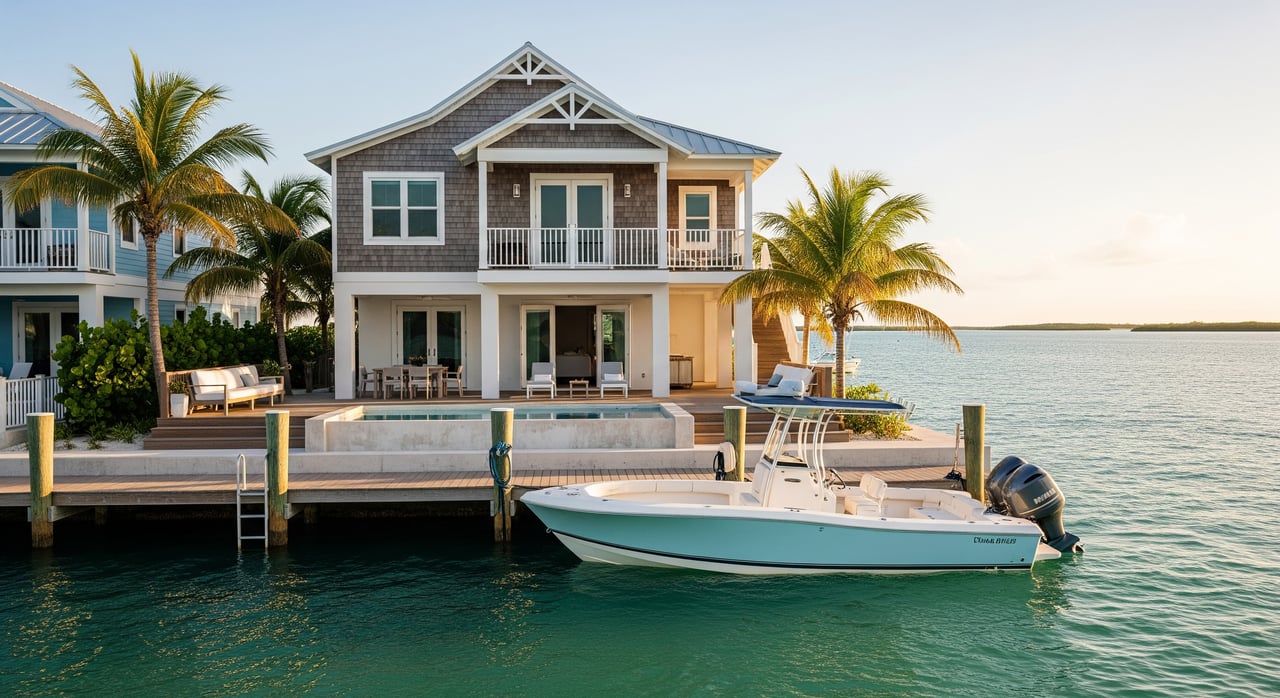
Waterfront access drives much of the Middle Keys’ weekly rental demand. With that appeal comes unique risk and permitting needs.
Waterfront and docks
- Docks and lifts usually require permits. Verify existing permits, usable length, and allowable use.
- Confirm HOA or city rules for docks, shared dockage, or mooring.
- Budget for marine maintenance like pilings, seawalls, and cleaning stations if you market to anglers.
Flood and wind exposure
- The Keys are low‑lying and storm sensitive. Check FEMA Flood Insurance Rate Maps for the property’s flood zone and base flood elevation.
- Ask for an elevation certificate. It can materially impact flood insurance pricing.
- Review age of roof, wind mitigation features, and any hurricane‑rated openings. Retrofitting older properties can raise costs.
Permitting and improvements
- Renovations, structural changes, and marine work require local permits. Some waterfront projects may need state or federal review.
- Verify connection to municipal sewer versus septic. Sewer connections can simplify operations and insurance.
Operations and guest experience
Execution affects reviews, repeat bookings, and your bottom line.
Minimum stay strategy
- Weekly minimums match demand patterns for families and fishing groups and reduce turnovers.
- In shoulder seasons, consider shorter minimums to boost occupancy, subject to local and HOA rules.
Vendor network
- Line up reliable cleaners, handypeople, pest control, landscapers, and marine service providers.
- Many municipalities require a local contact. Even when not required, having on‑island support improves guest response times.
Marketing and distribution
- Weekly Keys rentals commonly list on Airbnb and Vrbo. Some managers also use Booking.com and direct booking sites.
- Stand out with professional photos, clear house rules, accurate dock specs, and amenities that matter to boaters and families.
- Highlight proximity to marinas, ramps, beaches, groceries, and medical services.
Buyer diligence checklist
Gather these items during your inspection period to reduce surprises and improve underwriting:
- Municipal STR status: Written confirmation that weekly rentals are permitted for the property’s zoning and use. Identify needed transient licenses and business tax receipts.
- HOA or condo documents: Current covenants, rental rules, minimum stays, caps or waitlists, and any special registration requirements.
- Tax setup: Steps to register and remit state sales tax and county tourist development taxes.
- Insurance: Current policies and quotes for homeowners or landlord, wind, flood, and umbrella. Note deductibles and exclusions.
- Flood zone and elevation: FEMA designation, base flood elevation, and any elevation certificate.
- Building systems and structure: Roof age, hurricane protections, electrical, plumbing, HVAC, windows and doors. Review permit history.
- Marine features: Dock and seawall condition, permits, usable length, and rules for boat size and use.
- Utilities and internet: Sewer or septic status, trash schedules, and internet speeds suitable for remote work.
- Historical rental performance: At least 12 to 24 months of calendars, P&Ls, ADR, occupancy by month, and expense detail. Check for owner‑blocked dates.
- Comparable listings: Weekly rates for similar waterfront and non‑waterfront properties in Marathon and Key Colony Beach across seasons.
- Vendor quotes: Cleaning, landscaping, pest control, pool or spa, and marine maintenance.
Which market fits your goals?
Both Marathon and Key Colony Beach can work for weekly rentals, but each suits different priorities:
- You want more options and services: Marathon’s larger inventory and vendor network make it easier to find a fit and operate at scale.
- You value a quieter residential setting: Key Colony Beach’s smaller, residential character can appeal to guests seeking a calmer stay. Tighter community or HOA rules may reduce supply and can support stronger pricing when demand is present, but verify what is allowed for your specific property.
- You need consistent guest access to marinas and charters: Marathon’s tourism infrastructure provides variety and convenience for anglers and families.
- You plan to self‑manage: Consider the availability of cleaners and maintenance vendors near your property, along with any local contact requirements.
Before you choose, run side‑by‑side pro formas for similar properties in both cities. Use conservative occupancy, plan for hurricane season variability, and confirm that your chosen property can legally operate under local and HOA rules. A property‑level green light on licensing, insurance, and flood risk should guide your decision more than broad market narratives.
Ready to compare specific addresses, review documents, and build a realistic income model for your Keys purchase? Connect with Tracy Chacksfield for boutique, data‑informed guidance and a trusted local vendor network. Schedule a Tour.
FAQs
What licenses do I need for a weekly rental in Marathon?
- Confirm whether a transient or short‑term rental license and a local business tax receipt are required, along with any local contact, insurance, occupancy, parking, and trash rules.
Are weekly rentals allowed in Key Colony Beach?
- It depends on zoning, city rules, and any HOA or condo restrictions. Verify permissibility for the exact address and obtain all required licenses before booking guests.
How should I estimate income for a Keys weekly rental?
- Use season‑specific ADR and occupancy for Marathon and Key Colony Beach, run high/mid/conservative scenarios, and include hurricane season, taxes, management, insurance, and reserves.
What insurance do Keys rental owners typically carry?
- Owners often maintain homeowners or landlord, wind‑only, flood, and liability or umbrella coverage. Premiums are higher in the Keys due to wind and flood exposure.
How do HOA rules affect weekly rentals in the Middle Keys?
- HOAs and condos can set stricter rules than the city, including minimum stays, caps, or full prohibitions. Always review current documents and recent meeting minutes.
What makes waterfront rentals different to operate?
- You must verify dock permits and usable length, plan for marine maintenance, and clearly represent boat access and rules to guests. These features can boost demand and rates when managed well.